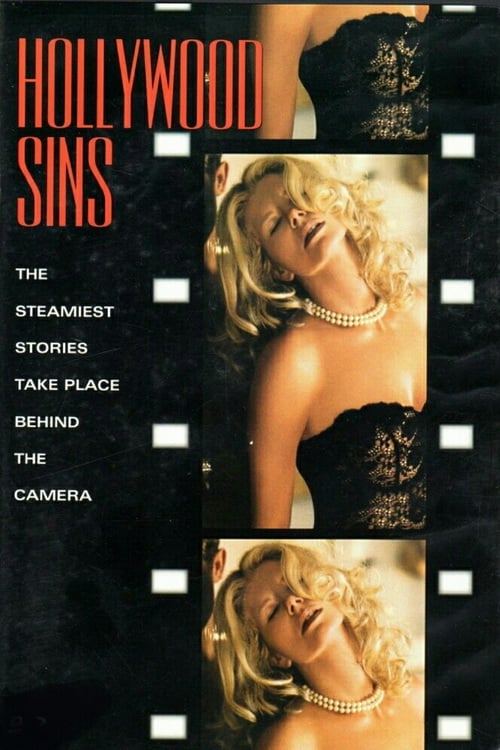
Hollywood Sins
2000
No user ratings available yet
Representation score: 2.6 out of 10
Representation Score
Minimal
2002
RDirector
Clinton J. Williams
Runtime
65 minutes
Average Rating
No ratings yetNew Showbiz Analysis
The film centers on interpersonal conflict and romantic volatility, prioritizing personal drama over broader social or systemic issues. The narrative structure emphasizes a high-stakes professional rivalry and a toxic relationship, limiting the scope for diverse representation. Operating within a conventional framework, the film focuses on the power dynamics between two central figures. While it offers a critique of predatory masculine behavior, it lacks the breadth to address broader multi-layered identities. Ultimately, the film functions as a personal melodrama, lacking elements to engage with racial, disability, or LGBTQ+ narratives.
Category Breakdown
The story focuses solely on a heterosexual romance between Taylor Kent and Austin Riley. It does not include any visible non-binary or transgender identities and does not challenge the assumption that everyone is straight or cisgender.
Taylor Kent is a successful fashion designer with professional control over her career. However, the plot centers on her being targeted by a predatory womanizer, relying on traditional gender clichés of jealousy and betrayal.
The narrative focuses entirely on the interpersonal dynamics between the two leads. There is no mention of a diverse cast or any racial or ethnic subtext within the story.
The film uses the high-stakes fashion industry as a backdrop for personal melodrama. It prioritizes individual morality and social status over systemic or cultural critiques.
The provided narrative contains no mention of characters with visible or invisible disabilities, neurodivergence, or chronic illness.
Present on Screen
Limited or Absent
Official Synopsis
Two people, Taylor Kent and Austin Riley, who've devoted their lives to making women beautiful fall into a relationship that turns very, very ugly. Taylor is a fashion designer who is making a big splash with her new line of provocative lingerie. She is introduced to Austin, who for years has been one of the major players in fashion lingerie, though recently his company has been suffering a dry spell. He is a notorious womanizer, and when he meets her, he wastes no time as he attempts to lure her into bed. She is more than interested, and soon the two are engaged in a very passionate affair. But it becomes obvious that his interest in her is as much about business as physical attraction, and their relationship soon turns into a ugly and twisted web of jealousy, betrayal, lies, and revenge.
2000
1987

2001

2005

1997

2004

1991

1998
No reviews yet. Be the first to share your thoughts on this movie!
Use the rating form above to leave a star rating and optional review.