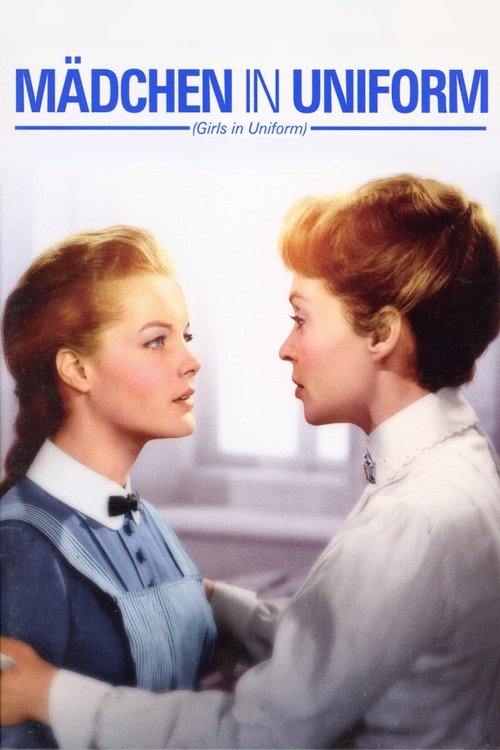
Girls in Uniform
1958
No user ratings available yet
Diversity score: 5.8 out of 10
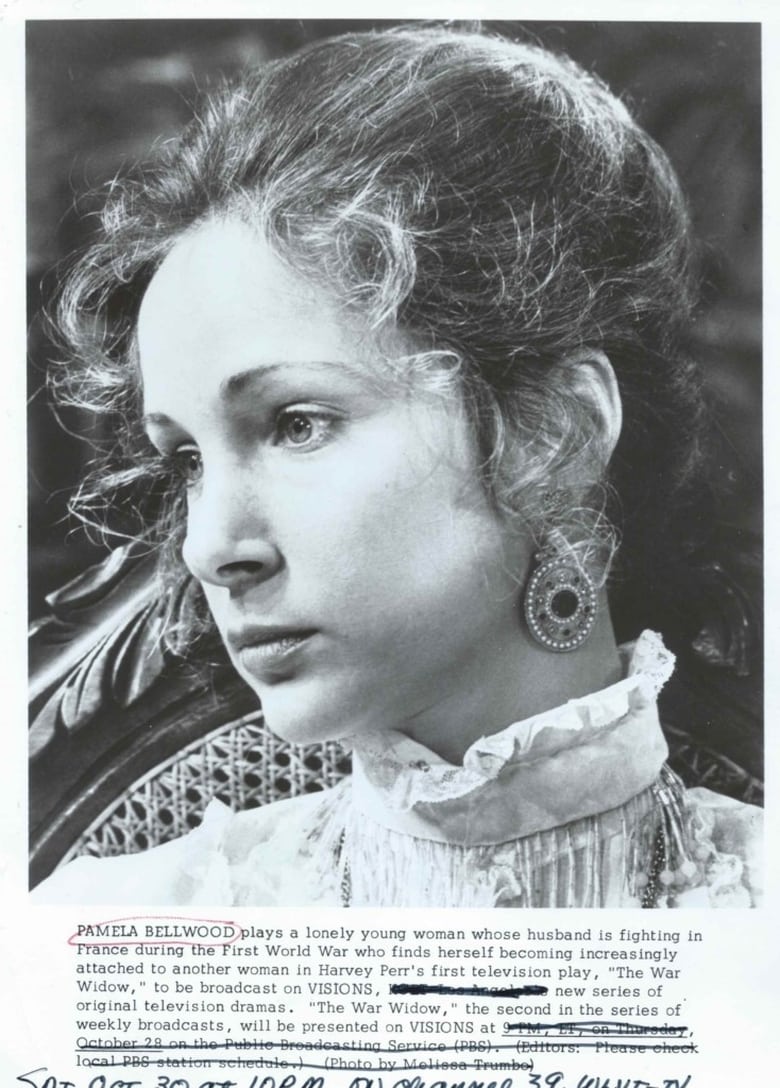
1976
Director
Paul Bogart
Runtime
85 minutes
Average Rating
No ratings yetSynopsis
Originally broadcast by KCET (PBS) on their dramatic showcase series, "Visions," this sweet, quiet film is set during World War I. It is the story of Amy, a proper, but lonely housewife whose husband is away at war. She finds solace in a friendship with a more worldly female photographer, only to have her entire world turned upside down when the friendship becomes genuine love and she is forced to choose. Groundbreaking for its powerful yet non-prurient portrayal of lesbian first love.
Overall Score
Good
Category Breakdown
LGBTQ+ Representation
The film centers on queer identity and intimacy, portraying a genuine love between two women. This non-prurient approach avoids exploitative tropes, focusing instead on emotional depth and character agency.
Gender Representation
Amy subverts traditional domestic hierarchies by seeking agency through her connection with a worldly photographer. The narrative prioritizes female desire and self-discovery over the archetype of the passive housewife.
Racial & Ethnic Diversity
The story appears to focus on a homogeneous Western social structure. There is no evidence of significant racial blending or non-Anglo-Saxon casting within this WWI-era setting.
Religious & Cultural Diversity
The film critiques rigid social institutions by prioritizing individual identity over established mores. It frames the protagonist's journey as a choice between conventional marriage and a non-traditional bond.
Disability Representation
There is no evidence that disability, neurodivergence, or chronic illness play a role in the character arcs or narrative.
Strengths
Areas for Improvement
AI Analysis
The War Widow stands out as a sophisticated historical text that prioritizes nuanced, character-driven storytelling. Its primary strength lies in its courageous and respectful handling of lesbian intimacy, which disrupts the heteronormative expectations of the WWI era. While the film excels in queer and gender representation, it remains limited by a lack of racial and disability-related diversity. The narrative appears centered on a homogeneous Western social structure, which limits its broader inclusivity. Ultimately, the film achieves a progressive value by deconstructing traditional domestic roles. It moves beyond mere visibility to offer a meaningful exploration of female autonomy and emotional truth.
1958
1969
1967
1968
2007
1967
2017
2013

1969

2015
1981
1983
No reviews yet. Be the first to share your thoughts on this movie!
Use the rating form above to leave a star rating and optional review.