
The Second Wedding Night
2005
No user ratings available yet
Diversity score: 5.4 out of 10
1983
PGDirector
Alan Bridges
Runtime
99 minutes
Average Rating
No ratings yetSynopsis
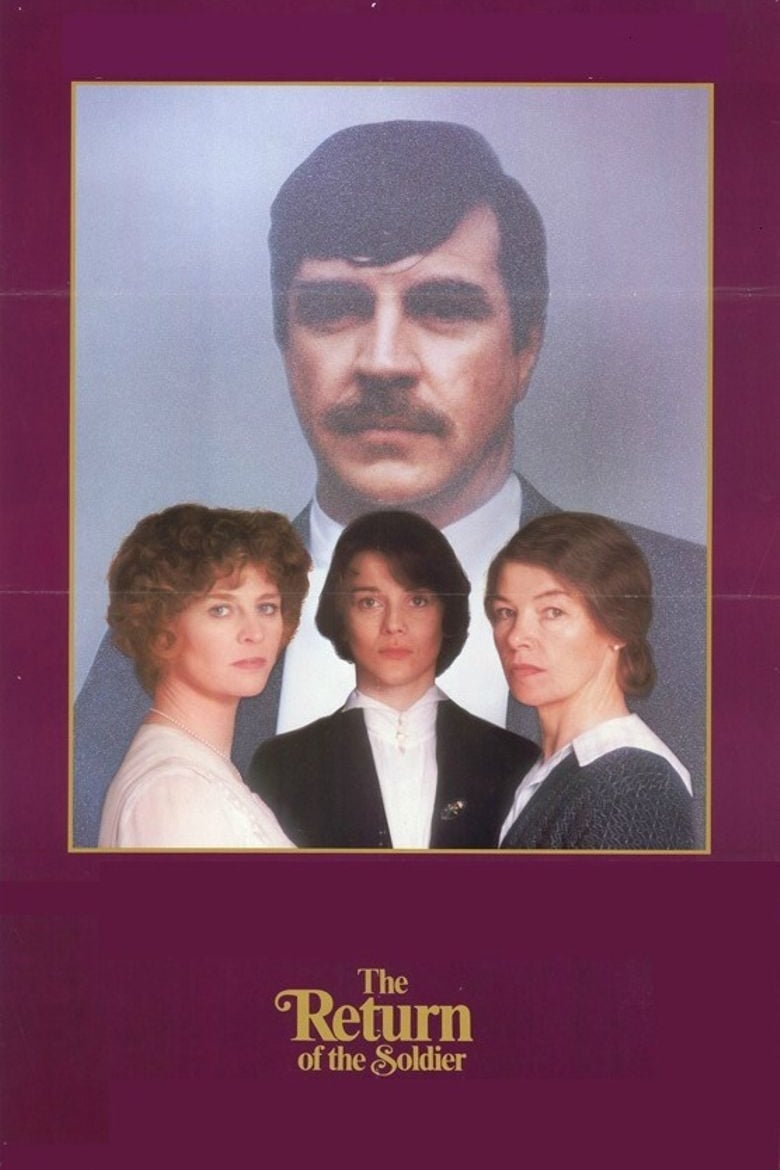
The horrors of World War I have robbed returning veteran Chris Baldry of his memory. The traumatized soldier doesn't even recognize his own wife, Kitty, or remember their years together. While Baldry attempts to cope with the unfamiliar surroundings of his own home, he seeks out the company of an old flame from his childhood, Margaret Grey. His amnesia also makes him a ready target for the affections of his older cousin, Jenny.
Overall Score
Good
Category Breakdown
LGBTQ+ Representation
The film uses amnesia to strip away social conditioning, allowing a repressed queer identity to surface. It critiques the performative nature of heterosexuality through the protagonist's emotional distance from his wife.
Gender Representation
Traditional masculinity is subverted by portraying the returning war hero as a fractured, unreliable figure. Female characters like Margaret Grey possess significant emotional agency, acting as catalysts for psychological reckoning.
Racial & Ethnic Diversity
The cast is predominantly white and Anglo-Saxon, reflecting the historical setting. The film focuses on the racial homogeneity of the British upper-middle class during the post-WWI era.
Religious & Cultural Diversity
The narrative critiques the rigid moral frameworks of the Edwardian social order. It frames these traditional Western institutions as mechanisms of psychological repression that necessitate the suppression of the self.
Disability Representation
Psychological trauma and shell shock are treated as central to the protagonist's identity rather than mere plot devices. The film avoids pitying the soldier, granting him agency within his fractured reality.
Strengths
Areas for Improvement
AI Analysis
The film is a sophisticated psychological drama that uses the protagonist's trauma to deconstruct rigid societal structures. It excels in its subversion of gender and queer norms, using amnesia to explore identity beyond social performance. While the historical setting results in a lack of racial diversity, the film compensates through deep explorations of mental health and cultural critique. It challenges the patriarchal and heteronormative expectations of the early 20th century. Ultimately, the work functions as a study of how individual identity clashes with the demanding social contracts of the era.
2005

2017

2017
2004

2015

1963

2021

2014

2013

1973

2020

1996
No reviews yet. Be the first to share your thoughts on this movie!
Use the rating form above to leave a star rating and optional review.