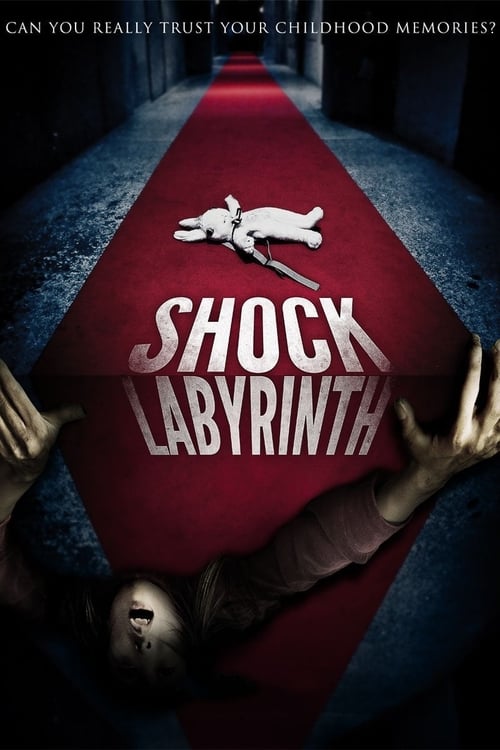
The Shock Labyrinth
2009
No user ratings available yet
Diversity score: 3.9 out of 10
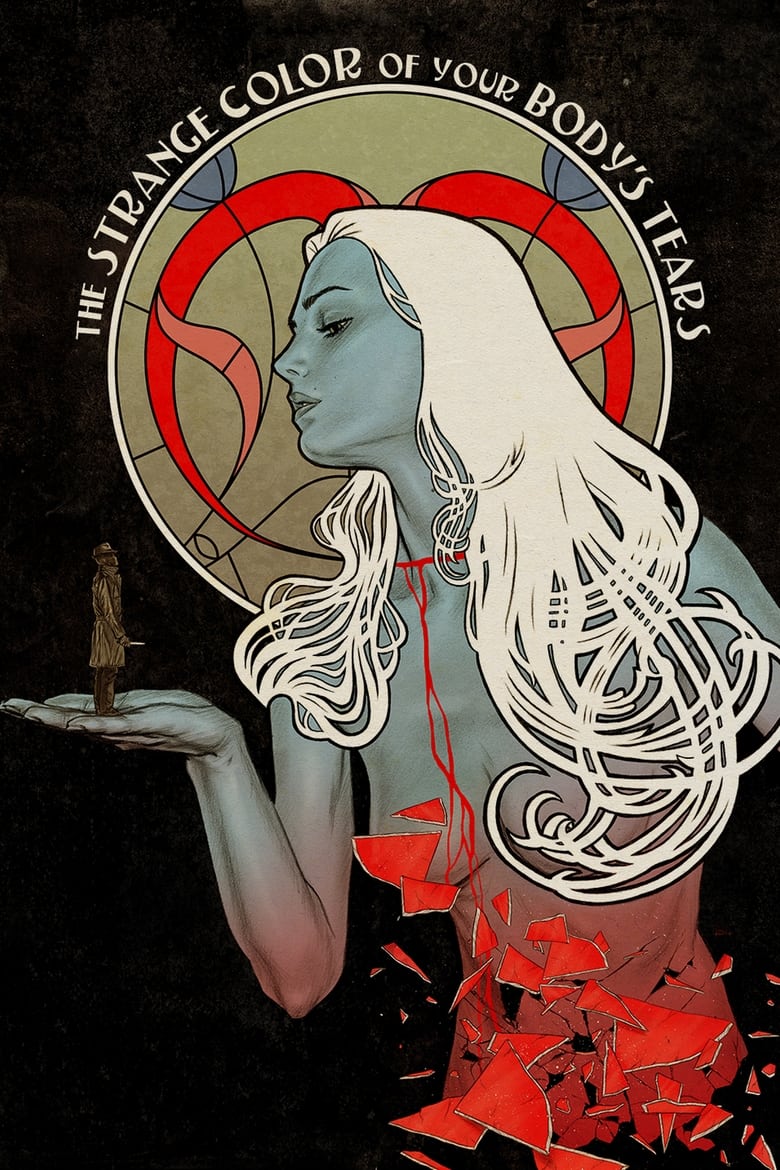
2014
Not RatedDirector
Bruno Forzani, Hélène Cattet
Runtime
102 minutes
Average Rating
No ratings yetSynopsis
Returning home from a business trip to discover his wife missing, a man delves deeper and deeper into a surreal kaleidoscope of half-baked leads, seduction, deceit, and murder.
Overall Score
Fair
Category Breakdown
LGBTQ+ Representation
The film explores intense eroticism and fluid physical attraction. While it lacks explicit labels or traditional romantic arcs, its focus on fragmented desire disrupts heteronormative stability.
Gender Representation
The directors use sound and texture to disrupt traditional gender hierarchies. However, the film occasionally relies on fetishized imagery and tropes like the femme fatale.
Racial & Ethnic Diversity
The setting is a claustrophobic, stylized dreamscape that favors abstraction over social realism. This results in a notable absence of diverse racial or ethnic character development.
Religious & Cultural Diversity
The postmodern structure critiques traditional Western storytelling by embracing moral relativism. It rejects singular, cohesive moralities in favor of subjective, fragmented experiences.
Disability Representation
Psychological instability and sensory overload serve as central themes. These elements function more as cinematic textures than nuanced portrayals of lived neurodivergent experiences.
Strengths
Areas for Improvement
AI Analysis
The film is a highly stylized, avant-garde work that prioritizes sensory experience over conventional storytelling. Its strength lies in its formalist intention, using postmodern pastiche to deconstruct traditional narrative structures and genre tropes. However, this focus on abstraction comes at the cost of sociological engagement. The film's reliance on sensory vignettes and aestheticized environments leads to a lack of explicit, intersectional character depth and diverse representation. Ultimately, the work is intellectually subversive in its form but remains largely neutral regarding social identity, favoring stylistic texture over meaningful character development.
2009
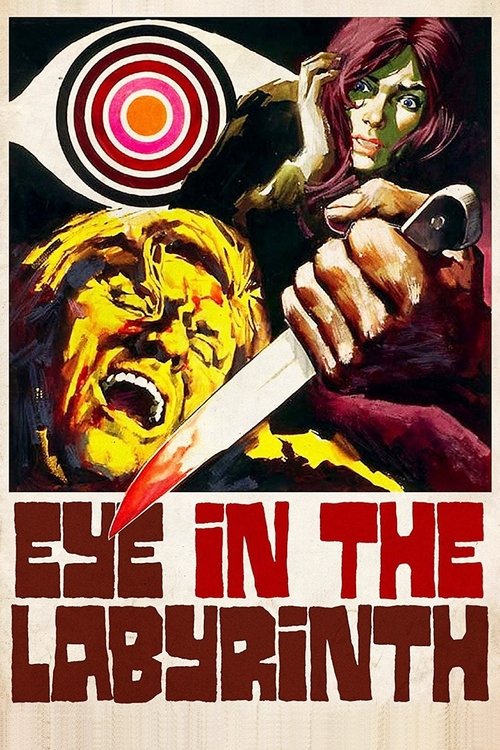
1972
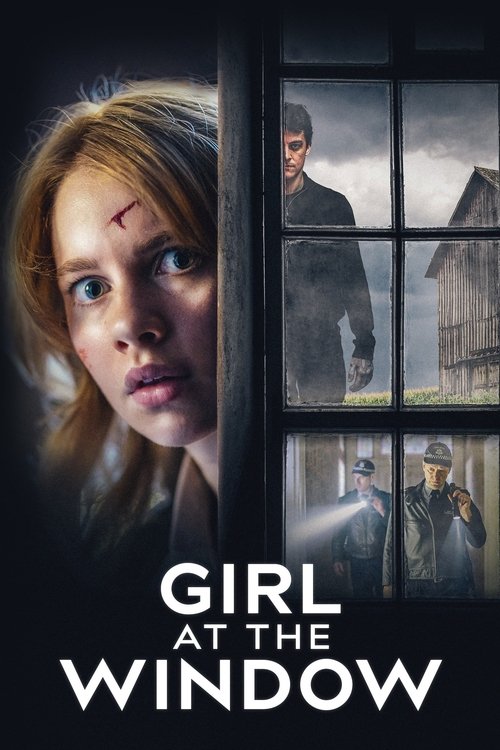
2022
2011
2009
2008
2016
1996
2010
2020
2022
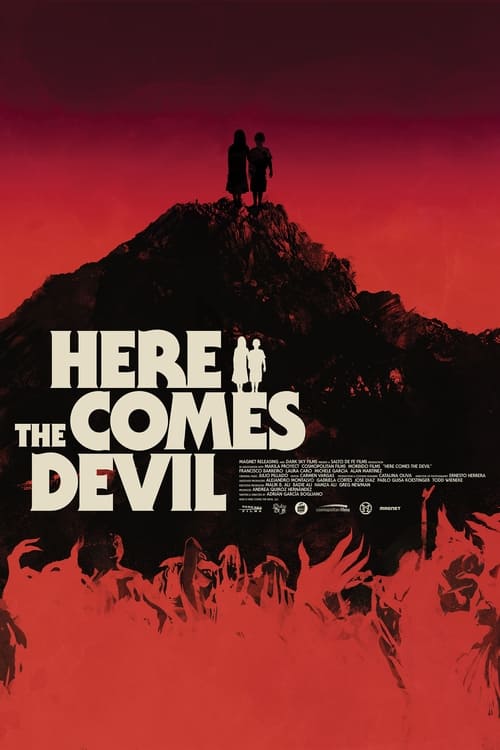
2012
No reviews yet. Be the first to share your thoughts on this movie!
Use the rating form above to leave a star rating and optional review.