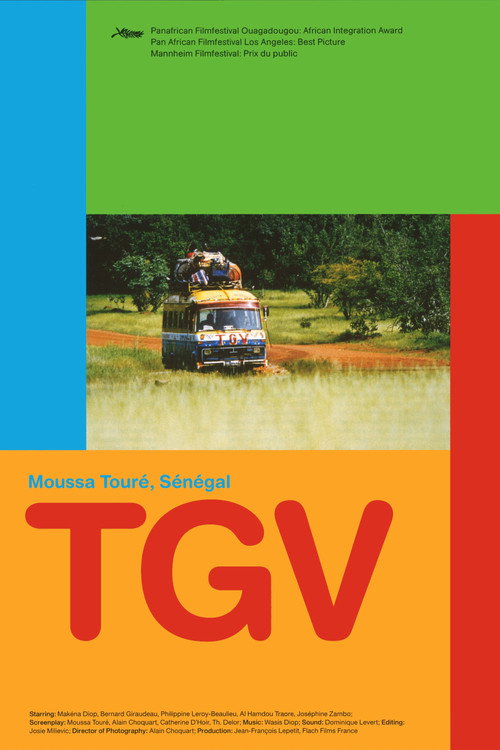
TGV
1998
No user ratings available yet
Representation score: 3.3 out of 10

Representation Score
Good
1988
Director
Marco Ferreri
Runtime
95 minutes
Average Rating
No ratings yetNew Showbiz Analysis
Marco Ferreri’s film serves as a sharp critique of the colonial and humanitarian gaze. By depicting the 'Blue Angels' expedition as a descent into chaos and violence, the film challenges the traditional 'savior' cliché often found in Western-centric narratives. The strength of the work lies in its refusal to provide a comforting moral resolution. Instead, it explores the breakdown of European social structures and the fragility of Western institutions when removed from their usual context. While the film effectively critiques Western superiority, it does not include specific representation for LGBTQ+ identities or characters with disabilities. The narrative primarily focuses on the moral decay of the European group.
Category Breakdown
The film does not explicitly depict LGBTQ+ identities or dynamics outside of traditional heterosexual relationships. The narrative centers on interpersonal conflicts within the European convoy.
Female characters such as Nadia are portrayed in vulnerable situations within a crumbling social order. The film hints at a potential reevaluation of traditional gender roles through its focus on selfish behavior.
The story contrasts the European expedition with the Sub-Saharan landscape. A local tribe asserts control through a purification ritual, challenging the typical Western perspective.
The film questions Western humanitarian ideals by showing the expedition as a source of dysfunction. It offers a critical view of civilization and Western moral pretensions.
No characters with visible or invisible disabilities are present in the narrative.
Present on Screen
Limited or Absent
Official Synopsis
The humanitarian aid expedition "Angeles Azules" (Blue Angels), comprising twelve Europeans and six trucks loaded with provisions to alleviate hunger in Sub-Saharan Africa, advances across the continent. As a result of the difficulties the team encounters, disorganization gradually takes over the convoy. Each of the members of the group, little by little, yield to their petty, selfish impulses: violence, power, nostalgia - The breakdown of one of the trucks forces Michele and Nadia to wait at an oasis for the arrival of spare parts. But a starving local tribe settles threateningly near them. The chief of the tribe makes a speech they don't understand, which is followed by a macabre purification ceremony.
1998

1971

1996

1969

2010
1970
1970

1989
No reviews yet. Be the first to share your thoughts on this movie!
Use the rating form above to leave a star rating and optional review.