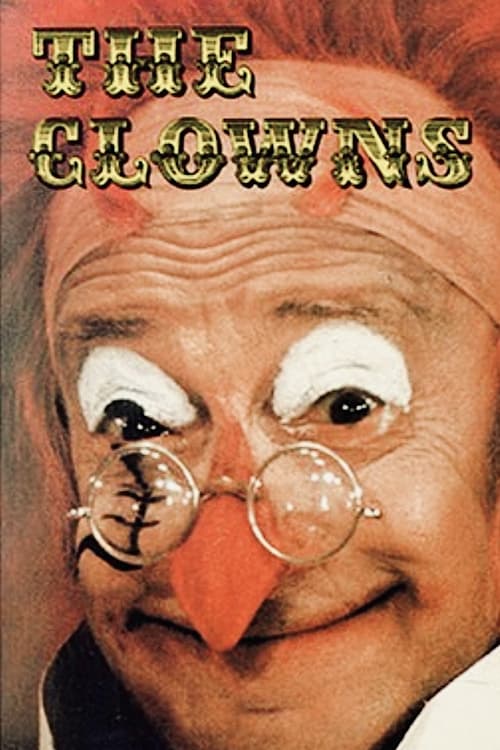
The Clowns
1970
No user ratings available yet
Diversity score: 4.1 out of 10
1974
Director
Jacques Tati
Runtime
90 minutes
Average Rating
No ratings yetSynopsis
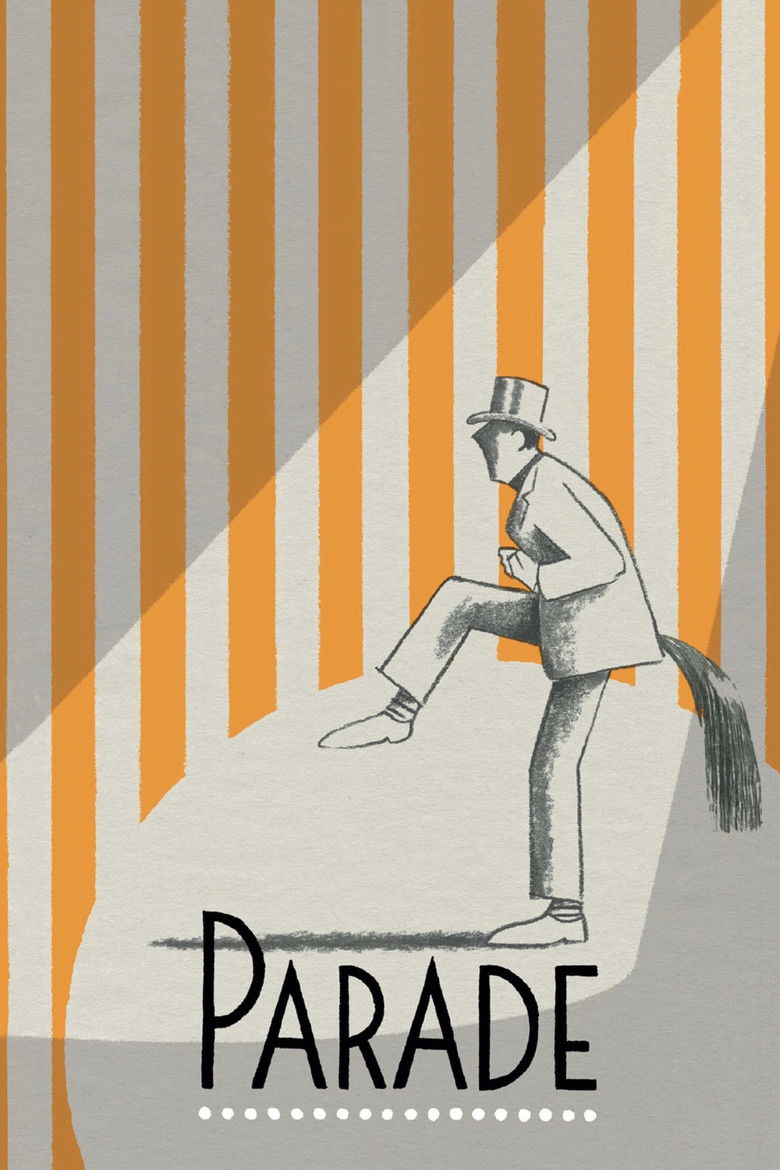
For his final film, Jacques Tati takes his camera to the circus, where the director himself serves as master of ceremonies. Though it features many spectacles, including clowns, jugglers, acrobats, contortionists, and more, Parade also focuses on the spectators, making this stripped-down work a testament to the communion between audience and entertainment.
Overall Score
Fair
Category Breakdown
LGBTQ+ Representation
The circus setting offers potential for subverting gender performance through costume and spectacle. However, the film lacks explicit narrative confirmation of specific LGBTQ+ identities or character arcs.
Gender Representation
By centering professional skills like juggling and acrobatics, the film disrupts traditional domestic hierarchies. Physical capability takes precedence over conventional masculine or feminine social archetypes.
Racial & Ethnic Diversity
The circus serves as a historically transient, international space that facilitates diverse ensembles. Yet, there is no specific evidence of intentional race-bent casting or a non-Anglo-Saxon majority.
Religious & Cultural Diversity
The film favors a secular, observational mode of existence over religious frameworks. It uses the circus to subtly critique the rigidity of formal Western social structures.
Disability Representation
The presence of contortionists and specialized performers brings focus to non-normative bodies. The film emphasizes the physical agency and unique capabilities of these performers.
Strengths
Areas for Improvement
AI Analysis
Jacques Tati’s final film functions as a visual essay on movement and social communion. By shifting the focus from performers to the spectators, the work deconstructs social etiquette through physical choreography and spatial awareness. The circus acts as a microcosm for human interaction, prioritizing spectacle over character-driven drama. This setting allows for a natural subversion of traditional social roles and gendered labor through the lens of professional skill. Ultimately, the film prioritizes visual abstraction and communal experience. While it disrupts conventional social expectations, it lacks the explicit, character-driven intersectional narratives required for a higher diversity rating.
No reviews yet. Be the first to share your thoughts on this movie!
Use the rating form above to leave a star rating and optional review.