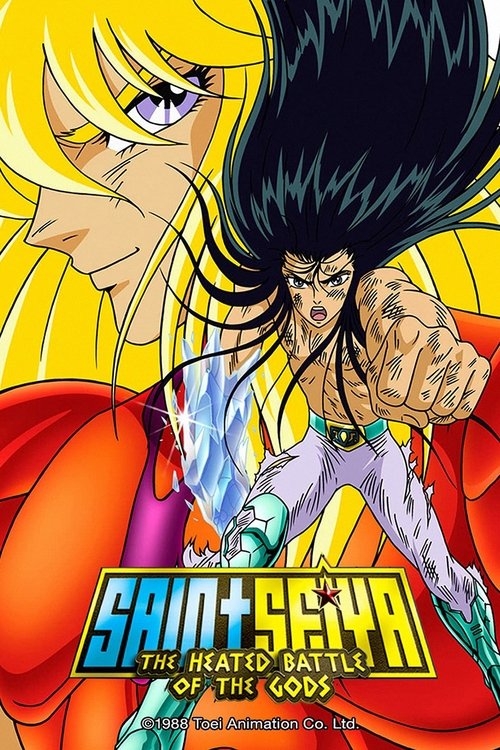
Saint Seiya: The Heated Battle of the Gods
1988
No user ratings available yet
Representation score: 1.0 out of 10
Representation Score
Fair
1988
Not RatedDirector
Shigeyasu Yamauchi
Runtime
75 minutes
Average Rating
No ratings yetNew Showbiz Analysis
The film excels at challenging traditional archetypes, especially through Athena's complex and destructive role. It also transcends specific real-world ethnicities by using a pan-mythological framework. However, the narrative remains focused on male-dominated hierarchies and intense male bonds, limiting its breadth. Ultimately, the work explores moral relativism and psychological tension, using high-stakes fantasy to question established cosmic and social orders.
Category Breakdown
The film highlights strong, homoerotic bonds between male characters without confirming explicit romance. The emotional intensity between them challenges traditional masculine boundaries.
The story focuses on male warriors, but Athena stands out as a complex figure who subverts typical feminine roles. She demonstrates autonomy and destructive ability to act in her decision to join Abel's mission.
A pan-mythological setting allows for diverse character interpretations that go beyond singular Western or Anglo-Saxon standards.
The narrative questions traditional divine structures by depicting the Sun God as a destructive force. This challenges the established cosmic order and the roles of the protagonists.
The cosmic battle between deities and warriors does not specifically address the portrayal of visible or invisible disabilities.
Present on Screen
Limited or Absent
Official Synopsis
The Sun God Abel returns to life, bent on punishing the humans and cleansing Earth from their presence. When Athena joins him, leaving humans to their fate, the Bronze Saints must defend the world in their greatest battle yet.
1988
1987
1989
2008
1987
2014
2004

1994
No reviews yet. Be the first to share your thoughts on this movie!
Use the rating form above to leave a star rating and optional review.