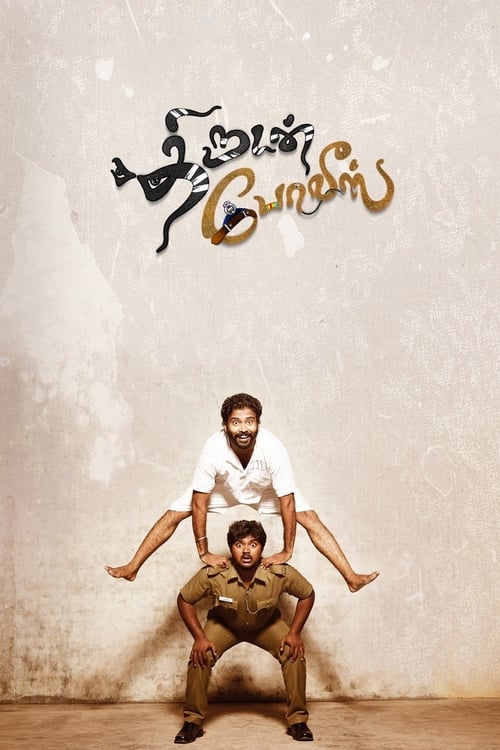
Thirudan Police
2014
No user ratings available yet
Diversity score: 3.1 out of 10
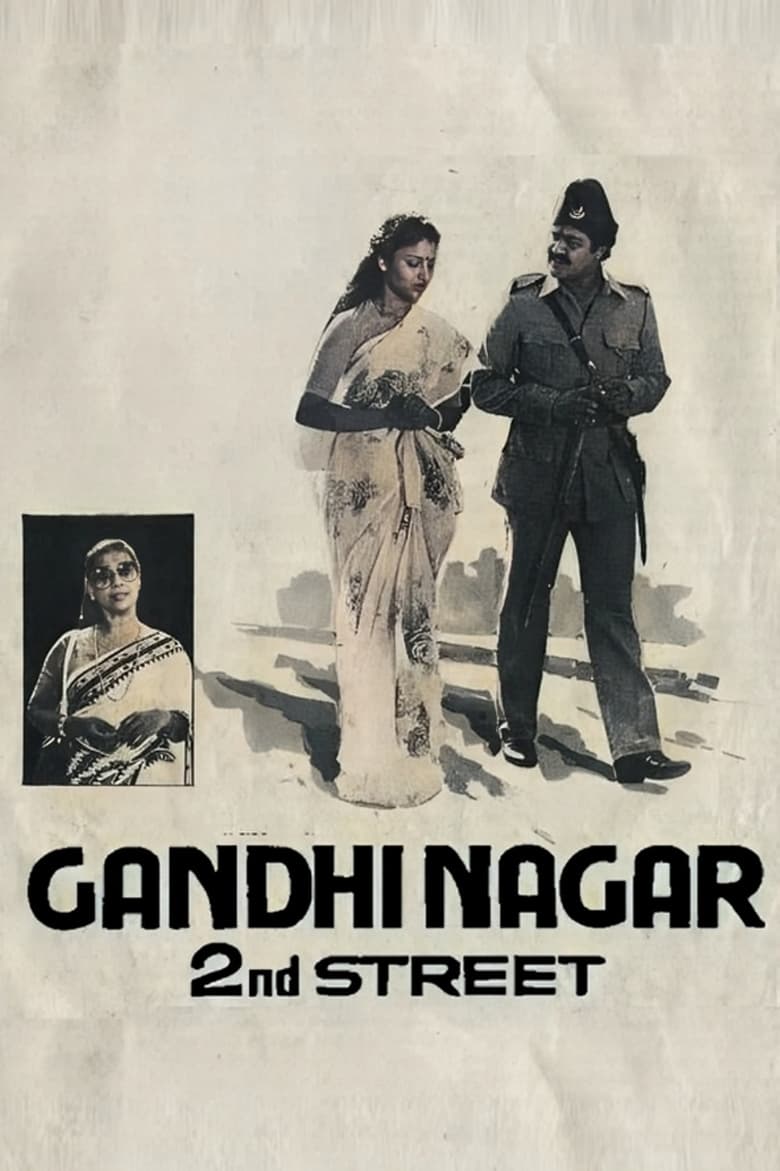
1986
Director
Sathyan Anthikad
Runtime
132 minutes
Average Rating
No ratings yetSynopsis
Sethu, an unemployed youth, struggles to find a job. When a spate of robberies takes place in his friend's neighborhood, he poses as a Gurkha to get a job as a security guard.
Overall Score
Limited
Category Breakdown
LGBTQ+ Representation
The film adheres to the heteronormative social structures typical of 1980s regional cinema. There is no evidence of queer narratives or non-cisnormative identities.
Gender Representation
The story centers on a male protagonist's struggle with unemployment and provider roles. Female characters appear to occupy conventional domestic roles within the family genre.
Racial & Ethnic Diversity
The cast is predominantly Malayali, representing a specific regional identity. A comedic plot point involves the protagonist posing as a Gurkha to secure work.
Religious & Cultural Diversity
The narrative operates within established social frameworks, focusing on middle-class stability and community. It lacks radical secularist or anti-capitalist themes.
Disability Representation
There are no visible or invisible disabilities identified as central to the characters or the plot.
Strengths
Areas for Improvement
AI Analysis
Gandhinagar 2nd Street is a traditional social comedy that prioritizes middle-class realism over the disruption of systemic hierarchies. It captures the socioeconomic pressures of the era through a lens of domesticity and humor. While the film offers a meaningful look at regional life, it lacks intersectional complexity. The narrative relies on established social norms rather than subverting traditional tropes or exploring diverse identities.
2014

2020
2009
1987
2000
1988

1986
1987
No reviews yet. Be the first to share your thoughts on this movie!
Use the rating form above to leave a star rating and optional review.