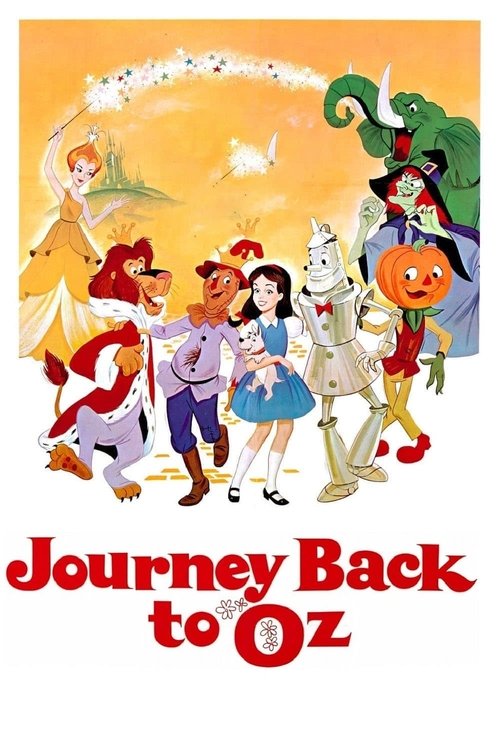
Journey Back to Oz
1972
No user ratings available yet
Representation score: 2.5 out of 10

Representation Score
Fair
2017
GDirector
Vladimir Toropchin, Fedor Dmitriev, Darina Shmidt
Runtime
82 minutes
Average Rating
No ratings yetNew Showbiz Analysis
This animated adaptation of the Oz mythos relies heavily on archetypal structures to drive its family-oriented adventure. While it places a female protagonist at the center of political and social change, the narrative remains within the bounds of conventional storytelling. The film's diversity is primarily expressed through fantastical characters rather than human the way different parts of someone's identity overlap. The use of non-human characters provides some variety, but the lack of complex social critiques limits its progressive depth. Ultimately, the film is a traditional hero's journey. It offers some subversion through its lead character but lacks the systemic layers required for a more diverse and inclusive representation.
Category Breakdown
The story follows a traditional quest structure centered around a group of companions. There are no non-straight or non-cisgender identities or same-sex relationships among the characters.
Dorothy is the main driver of change, breaking traditional hierarchies. She facilitates the liberation of the Emerald City, challenging the damsel in distress stereotype.
The film uses non-human species as stand-ins for identity within a fantasy world. While there are many diverse fantastical creatures, there is no specific evidence of casting actors from various backgrounds.
The story follows a standard good versus evil framework centered on resisting autocratic rule. It leans into traditional morality tales rather than offering complex institutional or secularist critiques.
The Scarecrow and Tin Man serve as metaphors for cognitive and physical differences. While they have significant roles, they function more as symbols than nuanced representations of lived experiences.
Present on Screen
Limited or Absent
Official Synopsis
The cunning and wicked Urfin wants to become ruler of Magic Land. With an army of wooden soldiers, he captures the Emerald City and renames it ti Urfinville. He is all but ready to celebrate victory, when his plans are ruined by an ordinary girl named Dorothy, who arrives in Magic Land just at the right time. She must return home, but not before she helps her friends - the Scarecrow, the Tin Man, and new-brave Lion - defeat Urfin. And in order to do that, they need to find out who he really is.
1972

1957
2025
2013
2019

2015
1947
1967
No reviews yet. Be the first to share your thoughts on this movie!
Use the rating form above to leave a star rating and optional review.