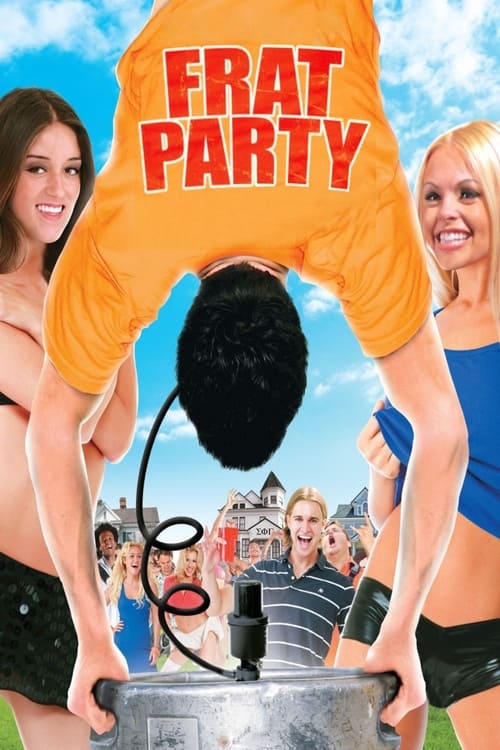
Frat Party
2009
No user ratings available yet
Diversity score: 2.7 out of 10

2002
RDirector
Jeff Anderson
Runtime
102 minutes
Average Rating
No ratings yetSynopsis
On the eve of his bachelor party, a man learns his fiancee wants to call off the wedding. The unmarried couple returns to New Jersey to sort out their relationship.
Overall Score
Limited
Category Breakdown
LGBTQ+ Representation
The film focuses on a heterosexual romantic conflict. There is no evidence of non-cisnormative identities or same-sex intimacy within the plot.
Gender Representation
The story centers on a traditional romantic crisis. While the fiancée shows agency by potentially calling off the wedding, the framework relies on conventional tropes.
Racial & Ethnic Diversity
The New Jersey setting and romantic comedy genre do not indicate a multi-ethnic cast. The narrative appears to follow a traditional, non-diverse representation model.
Religious & Cultural Diversity
The narrative engages with traditional social milestones like marriage. It lacks any significant critique of Western or secularist social structures.
Disability Representation
There is no mention of physical disabilities, neurodivergence, or mental health conditions driving the character arcs or the central plot.
Strengths
Areas for Improvement
AI Analysis
Now You Know operates as a conventional romantic comedy that prioritizes traditional relationship dynamics over social commentary. The plot centers on a man facing the dissolution of his engagement, a premise rooted in standard heteronormative structures. The film lacks meaningful representation of LGBTQ+ identities, diverse racial backgrounds, or disability. It functions primarily as a genre piece focused on domestic conflict rather than exploring intersectional identities or challenging systemic hierarchies. Ultimately, the production adheres to established cinematic norms, offering little in the way of progressive narrative architecture or demographic subversion.
2009

1992
1965

2009
2005

2001

2011
2006
1997

2008
2002
2012
No reviews yet. Be the first to share your thoughts on this movie!
Use the rating form above to leave a star rating and optional review.