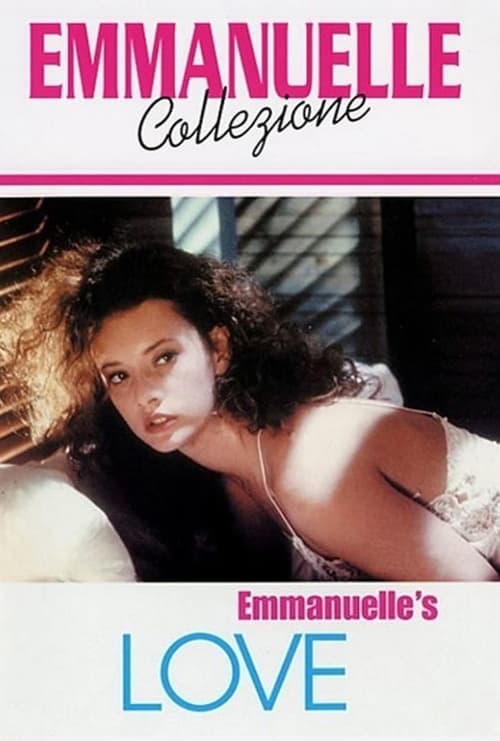
Emmanuelle's Love
1993
No user ratings available yet
Representation score: 4.1 out of 10
Representation Score
Fair
1993
Director
Francis Leroi
Runtime
89 minutes
Average Rating
No ratings yetNew Showbiz Analysis
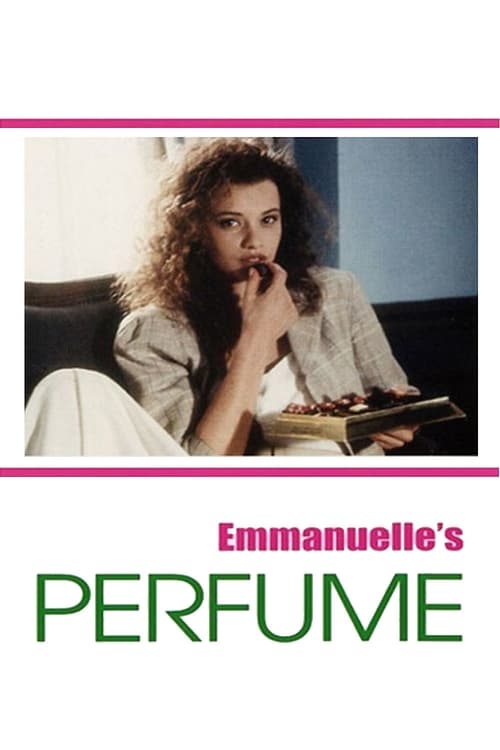
Emmanuelle's Perfume operates as a traditional romantic drama centered on individual exploration. It places a female protagonist at the heart of a spiritual quest, granting her a level of ability to act often missing in the genre. However, the film relies on conventional formulas. The use of a Tibetan setting feels more like a scenic backdrop for Western self-discovery than a meaningful engagement with non-Western cultures. The narrative remains tethered to traditional romantic structures. Ultimately, while the film moves beyond singular Christian morality through its mystical themes, it lacks the depth needed to challenge established social hierarchies or provide a truly diverse perspective.
Category Breakdown
The story revolves around a heterosexual relationship with a past lover. The protagonist interacts with other women's souls, but this interaction seems more spiritual than an exploration of queer identity.
Emmanuelle drives her own spiritual and romantic journey, showing a significant role in driving the story. However, her identity is closely tied to Mario, who validates her actions.
The Tibetan setting offers a unique backdrop for the protagonist's awakening. However, the location serves mainly as a scenic backdrop rather than a deep portrayal of local people.
The film engages with Eastern mysticism, going beyond traditional Western morality. However, it uses these spiritual elements as escapist clichés for personal gain rather than offering a systemic critique.
There are no visible or invisible disabilities depicted within the character arcs or the central narrative.
Present on Screen
Limited or Absent
Official Synopsis
Emmanuelle withdraws into a temple in Tibet, where she wants to find to her true self. She's given a mystic substance which will give her youth and allow her to enter the souls of other women. Now she sets out and searches her true love Mario from 20 years ago. When he sees young Emmanuelle, he doesn't believe it's really her, but she retells all the juicy details of her past to prove it to him.
1993
2012
1993
2006

1993
1993

2003
2000
No reviews yet. Be the first to share your thoughts on this movie!
Use the rating form above to leave a star rating and optional review.