
The Mascot
1933
No user ratings available yet
Representation score: 1.7 out of 10
Representation Score
Limited
1963
Director
Raoul Servais
Runtime
10 minutes
Average Rating
No ratings yetNew Showbiz Analysis
Raoul Servais's animation emphasizes cultural critique of a commercialized, mechanized society. Its strength lies in using the protagonist's musical imperfections to challenge systemic uniformity. However, the film focuses solely on a male protagonist and does not engage with gendered power dynamics or diverse identities. Ultimately, it functions as an existential study rather than a study in identity politics.
Category Breakdown
The film centers around a single male protagonist and does not include any non-traditional gender identities or same-sex relationships.
The story follows a traditional male-centric storyline without giving women significant roles or challenging gender hierarchies.
The stylized, abstract characters do not have distinct ethnic features, avoiding stereotypes but also lacking intentional representation of different backgrounds.
The film critiques a mechanized society and consumer culture. The protagonist's conflict with commercial elements symbolizes resistance to standardized uniformity.
The protagonist's alienation and discord can be seen as reflecting a neurodivergent experience, though it is portrayed through a metaphysical lens rather than personal experience.
Present on Screen
Limited or Absent
Official Synopsis
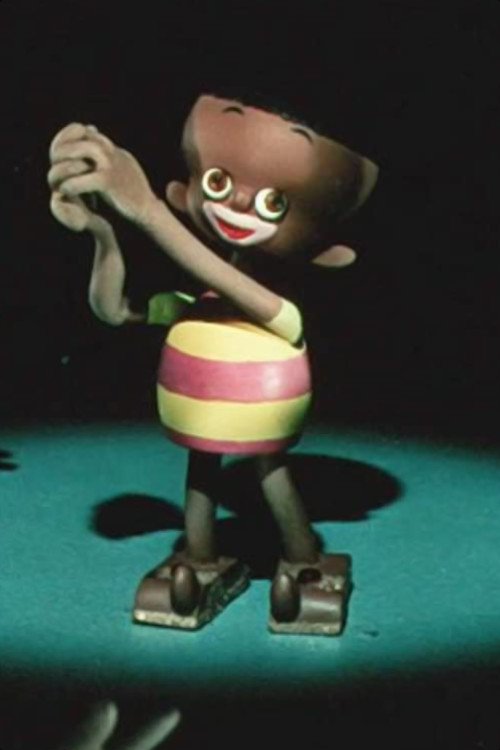
A day in the life of an organ grinder, down on his luck, who wanders the streets of Paris, dreaming of what might be. He can't help but crank out the occasional false note, just often enough to enrage his listeners and discourage any donations. He dreams of playing a large pipe organ. The juke box drowns him out at a cocktail bar, a church organ drowns him out on a street, pinball machines drown him out at Luna Park. The city's neon lights and commercial posters overwhelm his small art. At the end of the day, he captures the tear of a calliope horse - his sole earnings for the day - which may prove magical.
1933
1959

1980
1946
1947
2015
1947

1968
No reviews yet. Be the first to share your thoughts on this movie!
Use the rating form above to leave a star rating and optional review.