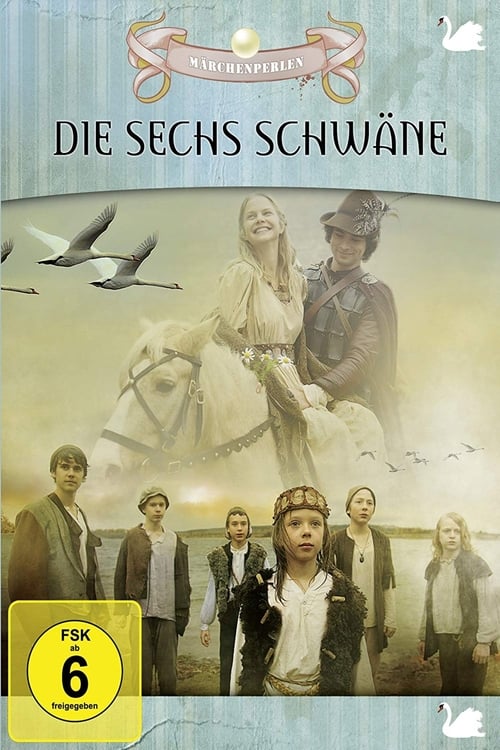
Die sechs Schwäne
2012
No user ratings available yet
Representation score: 5.9 out of 10
Representation Score
Minimal
1988
TV-GDirector
Paul Weiland
Runtime
24 minutes
Average Rating
No ratings yetNew Showbiz Analysis
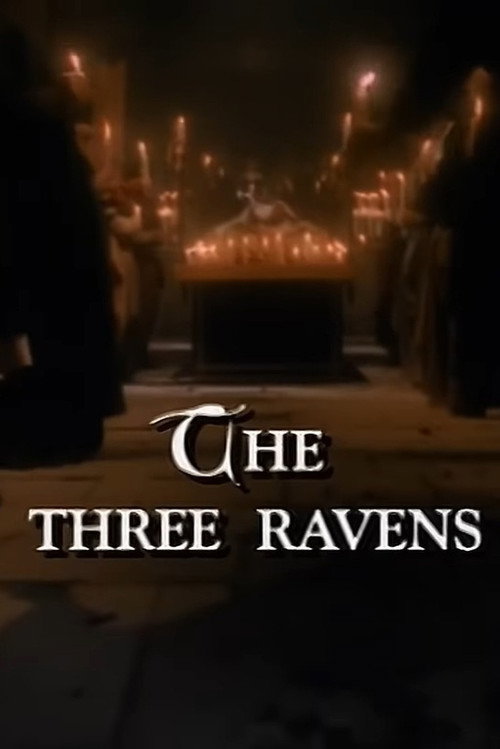
The film opens with John Hurt as the Storyteller, a frail figure in a cluttered study who addresses the audience directly, framing the tale as a contained artifact of oral tradition. This meta-narrative device positions the viewer as a listener by the fire, establishing a cozy, intellectual distance from the dark fairy tale that follows. The story itself is a grim adaptation of the Brothers Grimm, where a widowed King is seduced by a Witch who transforms his three sons into ravens to secure her power. The visual language is gritty and grounded, contrasting the sterile, cold palace with the wild, magical forest, using shadows and fire to symbolize the danger of uncontrolled narrative and desire. The sold meaning is a meditation on the power of storytelling and the dark undercurrents of traditional myths. The Witch is not a simple villain but a complex figure whose ambition and isolation are treated with a degree of sympathy, even as her actions are deemed monstrous. The King’s rigid adherence to order and the Prince’s eventual triumph reinforce the idea that social stability requires the suppression of chaotic, feminine power. The Princess, bound by a three-year silence, is the passive vessel for the narrative’s resolution, her voice literally removed until the male hero can restore the status quo. The ending, where the Prince breaks the spell and the family is reunited, serves as the moral verdict. It affirms the traditional hierarchy of the kingdom and the legitimacy of the King’s rule, while the Witch’s defeat restores the natural order. The Storyteller closes the book, implying that the story is a safe, contained lesson for the listener. The film’s argument is that fairy tales are not just for children but are complex, adult narratives about power, desire, and morality. However, the internal logic of the story pulls apart from its progressive framing: while the Witch’s power is acknowledged, her punishment is absolute, and the restoration of the patriarchal family unit is the ultimate reward. The camera loves the Prince’s competence and the King’s authority, treating them as the stable center around which the narrative revolves. The final image of the closed book suggests that the story is a tool for control, a way to explain the present and foretell the future, but it does not challenge the underlying structures of power it depicts.
Category Breakdown
Absent. The narrative relies exclusively on heterosexual pairings, such as the King’s marriage to the Witch and the Prince’s courtship of the Princess. No same-sex intimacy or non-heteronormative identities appear on screen.
Limited. The Witch drives the plot through active scheming and magical power, yet she is framed as a predatory "other" who must be defeated. The Princess is static and silent, serving as the passive object of rescue, while the Prince acts as the competent male hero who restores order.
Absent. The cast is entirely white, reflecting the unmarked European medieval setting. No non-white characters appear, and race is not a narrative factor or visual element within the story.
Limited. The King’s secular authority and the family unit are treated as the stable, legitimate order that the Witch disrupts. The narrative validates traditional patriarchal hierarchy, positioning the Witch’s independent power as a threat that must be neutralized to restore peace.
Absent. No characters possess physical, sensory, or cognitive disabilities. The transformation into ravens is a magical punishment, not a depiction of disabled life or impairment.
Present on Screen
Limited or Absent
Official Synopsis
A witch weds a widowed king. Finding that his children pose a threat to her, she transforms the three boys into ravens. The girl escapes but is told she must remain silent for three years, or the boys will be trapped in raven form forever.
2012
1994

1979
2021
1981
1990
1987
1969
No reviews yet. Be the first to share your thoughts on this movie!
Use the rating form above to leave a star rating and optional review.