A Gentle Spirit
1985
No user ratings available yet
Representation score: 4.5 out of 10
Representation Score
Fair
1992
Director
Aleksandr Petrov
Runtime
20 minutes
Average Rating
No ratings yetNew Showbiz Analysis
Petrov’s animated short is centered on existential themes rather than contemporary identity politics. It prioritizes a metaphysical exploration of suffering and innocence over broad demographic diversity. The film offers a nuanced and empathetic depiction of psychological struggle. It also challenges traditional gender roles by positioning the female figure as a transformative spiritual guide. However, the work remains culturally specific to its Russian literary roots and lacks representation for LGBTQ+ identities or diverse ethnic backgrounds. Its narrow focus limits its broader social inclusivity.
Category Breakdown
The film does not include any LGBTQ+ characters or narratives. It centers on the protagonist's internal journey and his relationship with a single feminine figure.
A female character serves as a catalyst for the protagonist's spiritual growth. This shifts the power dynamic from male nihilism to feminine grace and influence.
The animation draws heavily from Russian literary traditions. Despite a lack of multi-ethnic representation, it remains authentic to its cultural and historical context.
The narrative delves into metaphysical concepts rather than specific religions. It critiques modern alienation through the protagonist's despair, leading to a restorative moral conclusion.
The film addresses the protagonist's suicidal thoughts and psychological struggles seriously. His mental crisis is portrayed as a genuine part of the human experience.
Present on Screen
Limited or Absent
Official Synopsis
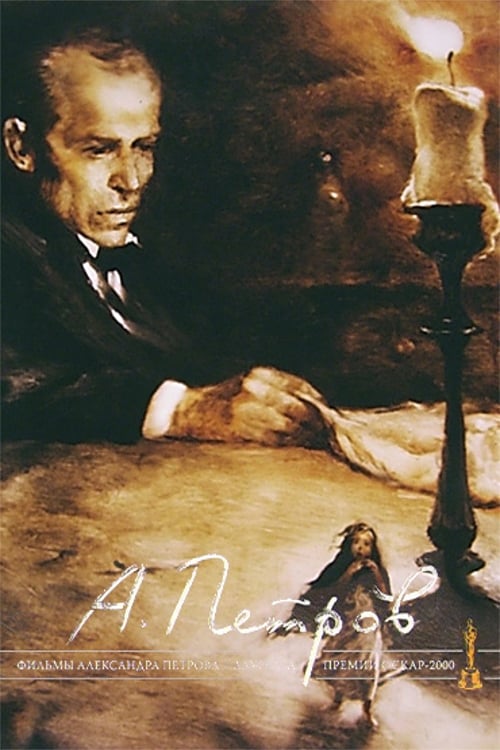
An animated short film based on the 1877 short story written by Fyodor Dostoyevsky. It chronicles the experiences of a man who decides that there is nothing to live for in the world, and is therefore determined to commit suicide. A chance encounter with a young girl changes his mind.
1985
2010

1989
1991
2007
1995
2006

2006
No reviews yet. Be the first to share your thoughts on this movie!
Use the rating form above to leave a star rating and optional review.