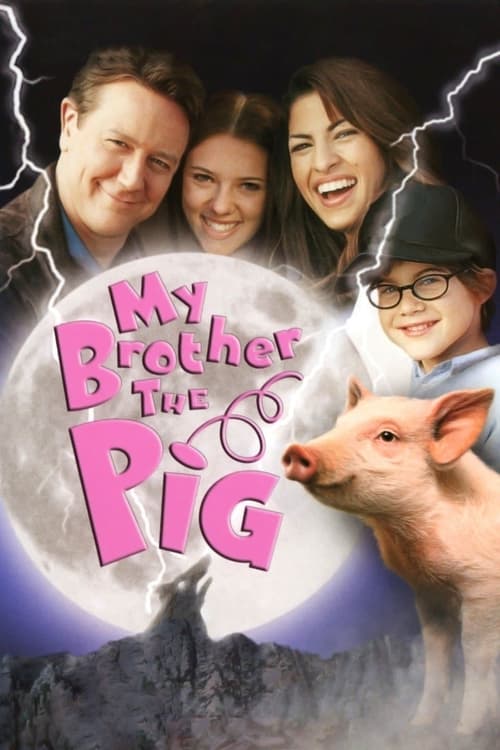
My Brother the Pig
1999
No user ratings available yet
Representation score: 3.6 out of 10
Representation Score
Fair
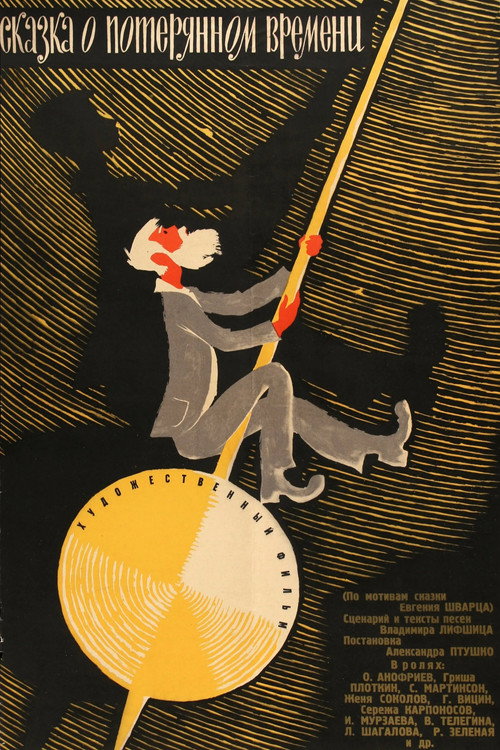
1964
Director
Aleksandr Ptushko
Runtime
76 minutes
Average Rating
No ratings yetNew Showbiz Analysis
A Tale of Lost Times operates as a traditional moral fable designed to reinforce social cohesion and industriousness. It uses a fantasy framework to explore how individual negligence impacts the collective, though it lacks modern multi-layered complexity. The film's reliance on Slavic folklore and mid-century social archetypes results in a homogeneous cultural presentation. While it offers a critique of individualistic selfishness, it does so through a lens of state-aligned social responsibility. Ultimately, the film's diversity is limited by its era and genre. It prioritizes a singular ethnic archetype and conventional power dynamics over a diverse or inclusive character landscape.
Category Breakdown
The film does not include any LGBTQ+ identities or same-sex relationships. It follows traditional mid-century social archetypes.
The roles of characters follow a conventional adventure structure. The film does not specifically address or subvert traditional masculinity or provide clear evidence of female empowerment.
The production emphasizes a homogeneous cultural identity rooted in Slavic folklore. There is no evidence of diverse casting or blending of different cultural backgrounds.
The story critiques selfishness by framing laziness as a theft of time. It reinforces a collective social morality typical of its era.
The transformation of children into elderly individuals serves as a plot device. It functions more as a metaphor for aging than a nuanced representation of disability.
Present on Screen
Limited or Absent
Official Synopsis
Four evil wizards succeeded to become young by using a time stolen from lazy kids. Now these kids who became seniors must act fast if they want to return to their real age.
1999
1995
1967
1965

1971
1981

1945

1986
No reviews yet. Be the first to share your thoughts on this movie!
Use the rating form above to leave a star rating and optional review.