
Dead Drop
2013
No user ratings available yet
Representation score: 2.7 out of 10
Representation Score
Fair
2000
RDirector
Mark Anthony Little
Runtime
94 minutes
Average Rating
No ratings yetNew Showbiz Analysis
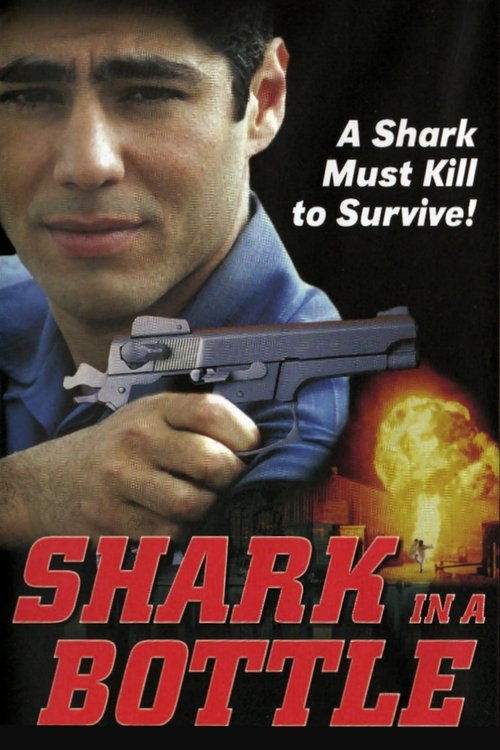
Shark in a Bottle operates as a standard crime thriller, prioritizing genre clichés over social complexity. The narrative centers on a male-dominated hierarchy where characters are defined by their roles within a criminal underworld. While the film touches on themes of individual ability to act and moral corruption, it lacks depth in exploring multiple aspects of identity. The protagonist's struggles and the female lead's limited ability to act reinforce traditional power dynamics rather than challenging them. Ultimately, the film's reliance on conventional archetypes and a lack of diverse casting results in a narrow perspective that misses opportunities for broader social representation.
Category Breakdown
The film lacks explicit LGBTQ+ characters or non-straight relationships. The central romance follows a traditional heterosexual pairing between Guy Normal and the Arranger’s mistress.
Male figures like the Arranger and the assassins have significant control over the plot. The female lead serves primarily as an emotional catalyst for the protagonist rather than a character with independent social mobility.
The narrative focuses on a localized crime hierarchy without mentioning a diverse cast. The character archetypes suggest a conventional Western crime story lacking visible ethnic blending.
The story explores moral ambiguity and the struggle against exploitative power structures. It engages with themes of subjective morality but lacks deep institutional or anti-capitalist critiques.
Guy Normal’s amnesia and clumsiness drive the plot, but these traits function largely as narrative devices. There is little evidence of neurodivergent ability to act beyond these cliché-driven elements.
Present on Screen
Limited or Absent
Official Synopsis
Guy Normal (probably not his real name) is clumsy, has amnesia, and has fallen into the hands of an unscrupulous man who arranges killings for hire. The Arranger trains Guy to be a killer (and there's evidence that Guy perpetrated a mass murder in an Arizona post office), then sends him to do various jobs. Although Guy bumbles, the jobs get done. But Guy rebels against this life, tries to reconstruct his past, and falls in love with the Arranger's mistress (who also has no place else to go). When Guy becomes expendable, his days seem numbered. Can Guy outsmart the mastermind and the highly skilled assassins sent to kill him?
2013
2001
2022

1972
2010
1999
2009
1993
No reviews yet. Be the first to share your thoughts on this movie!
Use the rating form above to leave a star rating and optional review.