
Cosas de hombres
2020
No user ratings available yet
Representation score: 4.5 out of 10
Representation Score
Fair
2008
NRDirector
Gonzalo Justiniano
Runtime
90 minutes
Average Rating
No ratings yetNew Showbiz Analysis
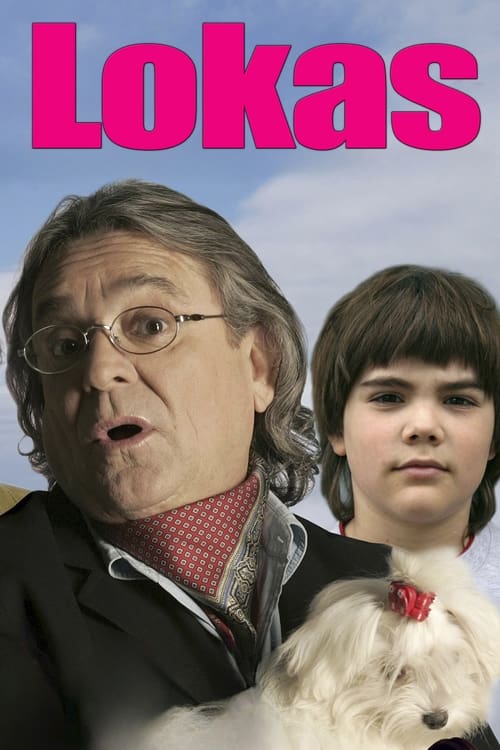
Lokas functions as a character study that uses queer identity to break down traditional domestic archetypes. By centering the plot on a gay grandfather's relationship with his grandson, the film goes beyond including someone from a minority group without giving them real depth to explore genuine human connections. The film's strength lies in its willingness to challenge assumptions about masculinity and social prejudices. Charly's internal conflict serves as a vehicle for critiquing social biases and exploring more vulnerable masculine roles. However, the film's scope appears limited by its heavy focus on male interpersonal dynamics. This concentration leaves little room for exploring broader perspectives on race or disability within the narrative.
Category Breakdown
The film focuses on Mario, a gay man, as he navigates his family relationships. Queer identity serves as the catalyst for the emotional journey, highlighting the importance of intergenerational connections within the LGBTQ community.
The narrative challenges traditional masculine hierarchies by examining Charly's struggle with societal prejudice. This shifts the focus from the typical stoic patriarch to a more nuanced exploration of emotional vulnerability.
There is insufficient information regarding the racial composition of the cast or the specific ethnic setting to provide a definitive assessment.
The story questions traditional social norms by breaking down the protagonist's initial homophobia. It promotes a more inclusive, situational morality over the strict, conventional family structures.
There is no evidence to suggest that characters with visible or invisible disabilities are central to the narrative.
Present on Screen
Limited or Absent
Official Synopsis
Charly is a homophobic man who discovers that Mario, his own father, is gay. Against his will, Charly have to deal with the tender relationship that Mario develops with his grandson Pedro.
2020

2022

2017

2010

2008

2018
2003
2004
No reviews yet. Be the first to share your thoughts on this movie!
Use the rating form above to leave a star rating and optional review.