
Leather Jackets
1992
No user ratings available yet
Representation score: 2.0 out of 10
Representation Score
Limited
1977
Director
Phillip Noyce
Runtime
61 minutes
Average Rating
No ratings yetNew Showbiz Analysis
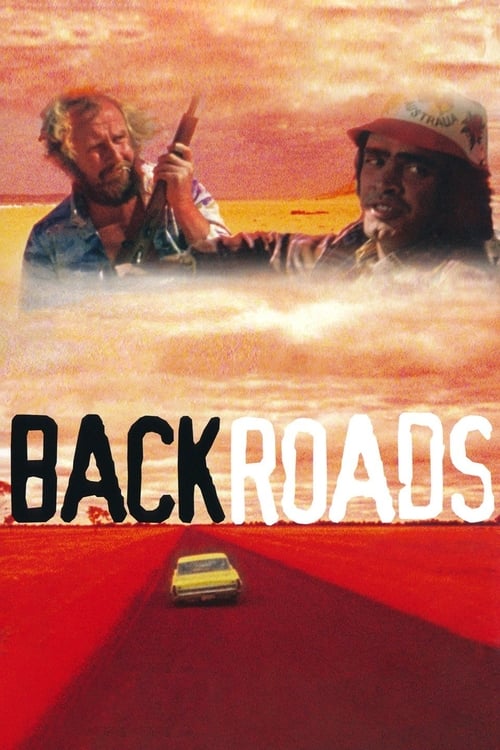
Backroads serves as a transitional piece of Australian cinema that uses social transgression to challenge the status quo. It succeeds in subverting traditional authority and centering a female perspective within a high-tension, lawless environment. However, the film is limited by the social realism of its era. The racial representation, while used to critique prejudice, remains constrained by the period's casting conventions and lacks modern multi-layered depth. Ultimately, the film's strength lies in its deconstruction of social order and its refusal to adhere to a standard law-and-order framework.
Category Breakdown
The film does not include any LGBTQ+ characters or explore non-straight relationships. The interpersonal tension revolves around traditional gender roles between the main characters and passengers.
Judy Davis plays a strong female lead, navigating a volatile environment with significant influence. Her character drives much of the tension, challenging the masculine volatility of the male leads.
A white man and a Black man form the central pairing, using racial friction to critique prejudice. While the cast is mostly white, Gary's character provides a necessary counterpoint to Jack's prejudiced views.
The story explores moral relativism by following characters who exist outside traditional Western institutions. It uses the outback setting to critique the stability of conventional social and moral structures.
There are no characters with visible or invisible disabilities that serve as central plot drivers. No specific depictions of disability are present in the narrative.
Present on Screen
Limited or Absent
Official Synopsis
Two strangers – one white, one black – steal a car in western NSW and head for the coast. Jack is abrasive, cunning and disparaging about Aborigines. Gary doesn’t really care – he just wants to escape. En route, they pick up Gary’s Uncle Joe, a French hitchhiker and a young woman who’s running away. Their petty crimes escalate as they go, heading towards disaster.
1992
1974
1994
1985
1982
1974
1976

1992
No reviews yet. Be the first to share your thoughts on this movie!
Use the rating form above to leave a star rating and optional review.