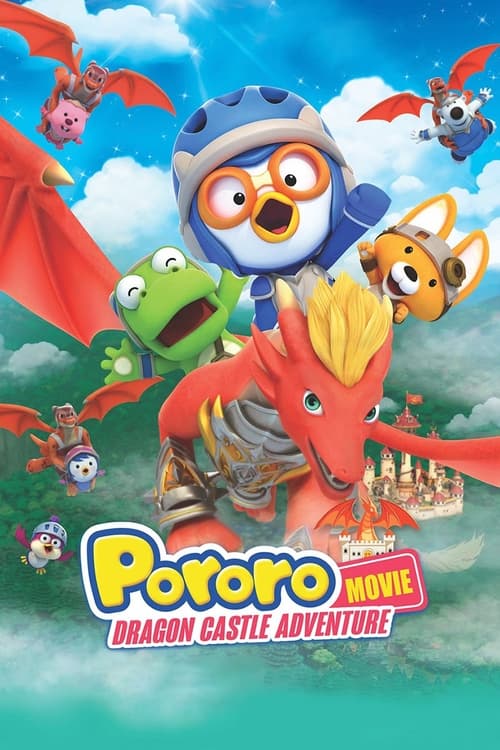
Pororo: Dragon Castle Adventure
2022
No user ratings available yet
Representation score: 2.9 out of 10

Representation Score
Fair
2015
PGDirector
Alexandre Heboyan, Benoît Philippon
Runtime
86 minutes
Average Rating
No ratings yetNew Showbiz Analysis
Mune: Guardian of the Moon is a visual fable that excels at world-building through abstraction. By populating its universe with non-human species, it successfully separates identity from human racial and ethnic categories, offering a unique form of inclusive storytelling. However, the film remains tied to traditional mythic structures. It prioritizes restoring cosmic order rather than challenging social norms, limiting its depth in terms of ideological subversion. Ultimately, the film provides meaningful character's ability to drive the story and a diverse visual landscape, even if it adheres to the safe boundaries of a classical hero's journey.
Category Breakdown
The story revolves around a cosmic struggle for balance among celestial beings. There are no representations of non-straight or non-cisgender identities or same-sex relationships.
Male characters primarily drive the plot, but the film avoids the damsel-in-distress cliché by giving female characters like Glim active roles. The central storyline remains focused on the male journey.
The fantastical setting uses non-human species to avoid traditional racial hierarchies. This abstraction creates a visually diverse environment that challenges conventional expectations of identity.
The film follows a traditional mythic structure centered on duty and cosmic order. It does not actively critique institutions or promote secularism, staying true to the classical hero's journey.
Mune’s journey explores personal vulnerability and inadequacy compared to warrior archetypes. However, the film does not provide a dedicated or empowered portrayal of physical or neurodivergent disabilities.
Present on Screen
Limited or Absent
Official Synopsis
When a faun named Mune becomes the Guardian of the Moon, little did he had unprepared experience with the Moon and an accident that could put both the Moon and the Sun in danger, including a corrupt titan named Necross who wants the Sun for himself and placing the balance of night and day in great peril. Now with the help of a wax-child named Glim and the warrior, Sohone who also became the Sun Guardian, they go out on an exciting journey to get the Sun back and restore the Moon to their rightful place in the sky.
2022

1957
2015
2015

2024

2011
2010

2014
No reviews yet. Be the first to share your thoughts on this movie!
Use the rating form above to leave a star rating and optional review.