
Moonbound
2021
No user ratings available yet
Representation score: 7.3 out of 10
Representation Score
Fair
2010
Director
Jesper Møller, Sinem Sakaoglu
Runtime
83 minutes
Average Rating
No ratings yetNew Showbiz Analysis
The film operates as a traditional animated adventure rooted in universal folklore. It prioritizes a classic battle between light and shadow, focusing on the protection of precious resources against chaos. While the story suggests a global reach by framing the protagonist as representative of all children, it lacks specific multi-layered complexity. The narrative architecture relies on established fable-driven themes rather than systemic critique. Ultimately, the production leans toward a homogeneous, conventional storytelling style. It provides a sense of universalism without offering deep representation of diverse identities or social subversions.
Category Breakdown
The film follows a traditional hero's journey without any explicit LGBTQ+ characters. The narrative stays within the boundaries of conventional family-oriented animation.
Miko serves as the central protagonist in a standard adventure structure. The story emphasizes companionship and duty rather than challenging gender hierarchies.
While the premise suggests a universal reach for all children, there is no evidence of a diverse cast. The characters appear to be from a homogeneous background.
The plot uses a classic struggle between good and evil. It upholds traditional moral frameworks and heroism rather than deconstructing Western institutions.
The narrative does not provide any information about characters with visible or invisible disabilities. There is no assessment of ability to act or clichés related to disabilities.
Present on Screen
Limited or Absent
Official Synopsis
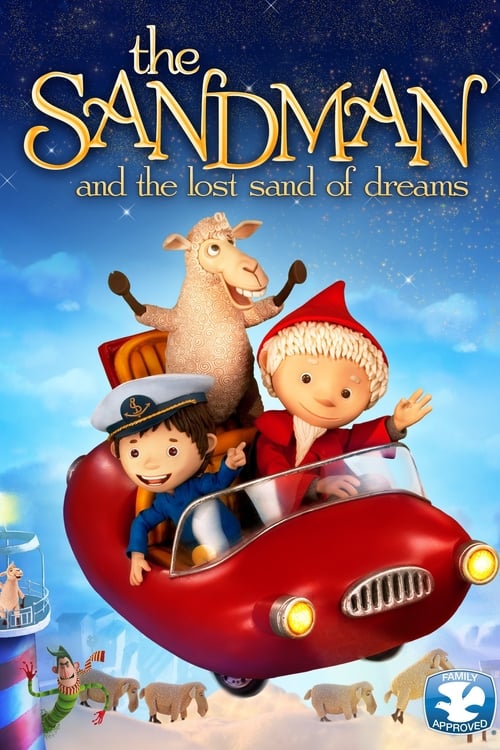
Each night, like every other child in the world, Miko goes to Dreamland thanks to magic sand dispersed by the Sandman. But one night, the evil dream Habumar steals the Sand of Dreams and takes control of Dreamland. The Sandman and his faithful sheep Neopomuk ask Miko to help them get back the precious sand, and to hence foil the plans of terrifying Habumar. So begins a great adventure in a world where all is possible.
2021

1957

2015
2006
2006
1990

2013

2014
No reviews yet. Be the first to share your thoughts on this movie!
Use the rating form above to leave a star rating and optional review.