
Plain Dirty
2003
No user ratings available yet
Representation score: 4.1 out of 10
Representation Score
Limited
2003
RDirector
Joel Viertel
Runtime
92 minutes
Average Rating
No ratings yetNew Showbiz Analysis
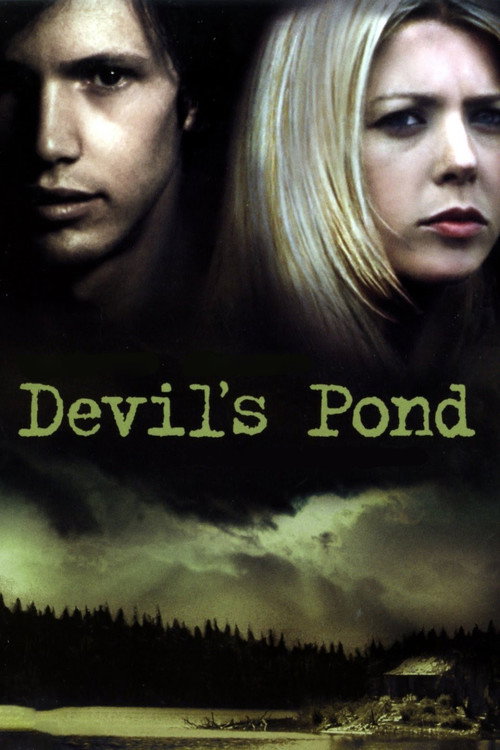
Devil's Pond is a traditional genre thriller that emphasizes psychological tension over social commentary. The narrative concentrates on a local conflict of domestic survival rather than engaging with broader systemic or identity-based issues. While the film empowers the female lead through her struggle against an abusive partner, it adheres to traditional cinematic norms. The absence of diverse representation and the use of a homogeneous cast contribute to a lower diversity score.
Category Breakdown
The film focuses on a traditional heterosexual relationship. It does not include any non-cisgender gender identities or stories that challenge standard heterosexual norms.
The story redefines the 'ideal husband' stereotype by showing Mitch as an aggressor. This transforms Julianne from a passive wife to an active survivor during domestic abuse.
The film features a homogeneous cast typical of early-2000s thrillers. It lacks a diverse ensemble or color-blind casting that would reflect a multicultural society.
The narrative follows a conventional Western storyline centered on individual survival. It uses the isolated cabin setting without critiquing religion or broader Western institutions.
Julianne's fear of water serves as a psychological plot device to increase suspense. It functions as a narrative obstacle rather than a detailed exploration of living with a disability.
Present on Screen
Limited or Absent
Official Synopsis
After a brief courtship, Julianne marries her handsome boyfriend, Mitch. To celebrate their honeymoon, the couple travel to a remote cabin on a small island. When they arrive, however, Mitch becomes aggressive and physically abusive, and Julianne soon realizes he's not the ideal husband she once thought he was. Knowing that Mitch doesn't plan on ever letting her leave the island, Julianne, who is afraid of water, must find a way to escape.
2003

2002

2015
2006
2001

1991
1988

2021
No reviews yet. Be the first to share your thoughts on this movie!
Use the rating form above to leave a star rating and optional review.