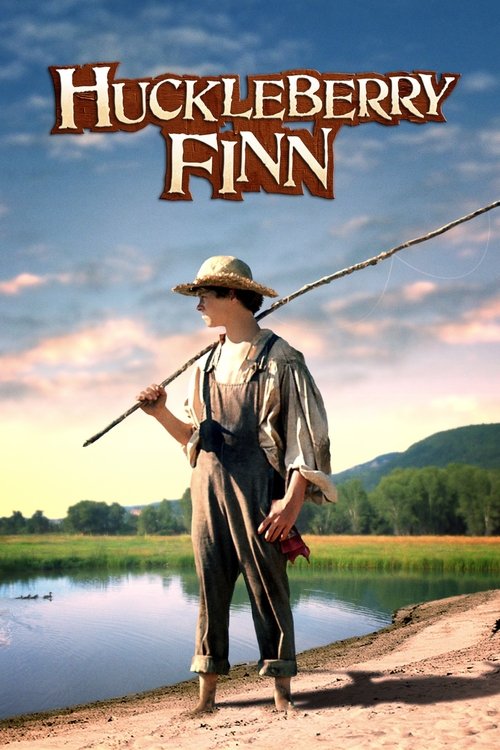
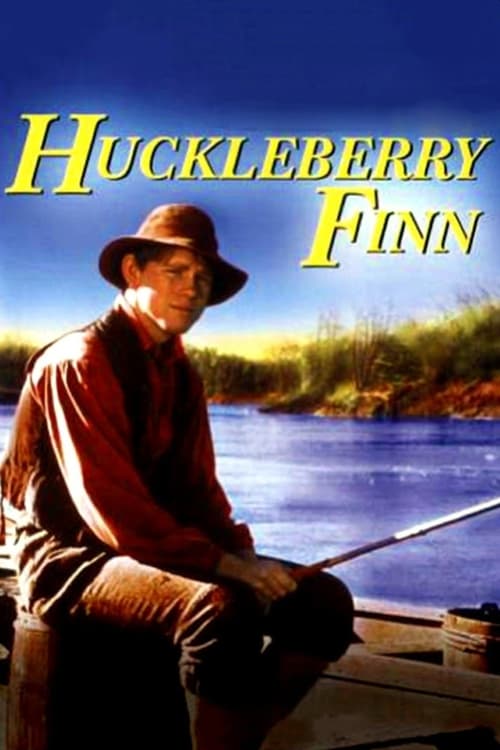
Huckleberry Finn
1974
No user ratings available yet
Representation score: 3.0 out of 10
Representation Score
Limited
1978
PGDirector
Robert Totten
Runtime
78 minutes
Average Rating
No ratings yetNew Showbiz Analysis
This adaptation of Mark Twain's work places racial dynamics and systemic critique at the forefront of its narrative. By centering Jim's humanity and his pursuit of freedom, the film challenges the racial hierarchies of the antebellum South. However, the film is limited by a traditional patriarchal structure. Female characters lack independent ability to act, serving mostly as symbols of the civilization the protagonists are trying to escape. While the film excels in critiquing traditional morality and institutions, it lacks any representation of LGBTQ+ identities or disabilities, adhering closely to the social norms of its era.
Category Breakdown
The film focuses solely on the friendship between two male characters and does not include any LGBTQ+ characters or themes.
The story revolves around a patriarchal framework where male characters play a significant role in driving the story. Female characters like Widow Douglas mainly serve as contrasts to the protagonists' rebellion, lacking independent ability to act.
The narrative centers on the relationship between a white youth and an enslaved Black man. Jim's journey for freedom and his humanity are central to the story.
The film criticizes established institutions by portraying legal and religious structures as corrupt. Huck's decision to prioritize personal conscience over laws highlights the critique of systemic oppression.
There is no representation of physical, sensory, or neurodivergent disabilities in the main cast or narrative.
Present on Screen
Limited or Absent
Official Synopsis
Huckleberry Finn, a rambuctious boy adventurer chafing under the bonds of civilization, escapes his humdrum world and his selfish, plotting father by sailing a raft down the Mississippi River. Accompanying him is Jim, a slave running away from being sold. Together the two strike a bond of friendship that takes them through harrowing events and thrilling adventures.
1974

2012
1993

1995

1977

1955

1990

1939
No reviews yet. Be the first to share your thoughts on this movie!
Use the rating form above to leave a star rating and optional review.