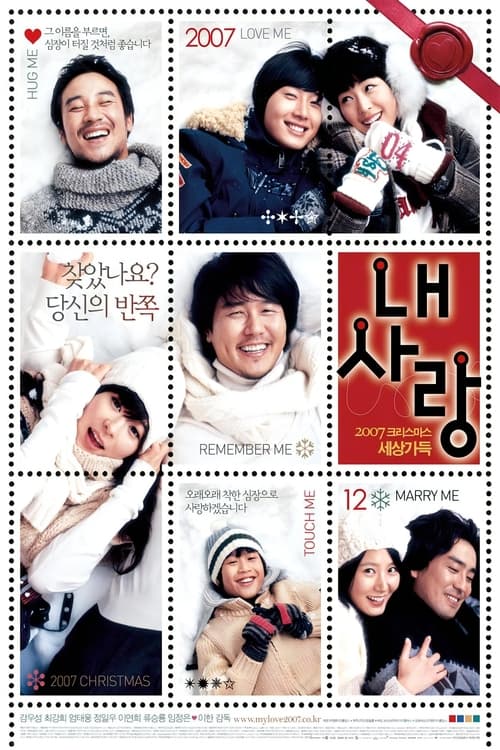
My Love
2007
No user ratings available yet
Diversity score: 2.8 out of 10

2012
Director
Jeon Gye-soo
Runtime
121 minutes
Average Rating
No ratings yetSynopsis
A writer looking for inspiration finds a perfect muse in a girl. After much work, he makes her his girlfriend. But then he starts to get tired of her.
Overall Score
Limited
Category Breakdown
LGBTQ+ Representation
The film follows a heteronormative romantic arc between a male writer and a female muse. There is no evidence of non-cisnormative identities or critiques of heteronormativity.
Gender Representation
The narrative utilizes a traditional muse trope, positioning the female character as a passive catalyst for the male protagonist. Her role remains functionally tied to the male lead's internal journey.
Racial & Ethnic Diversity
As a South Korean production, the film presents a culturally specific lens. It maintains a homogeneous cast typical of regional genre cinema without blending diverse ethnic identities.
Religious & Cultural Diversity
The film adheres to standard romantic comedy conventions. It prioritizes individual emotional experience over systemic critique or the deconstruction of traditional institutions.
Disability Representation
There is no information available regarding the inclusion of neurodivergent characters or individuals with physical or sensory disabilities.
Strengths
Areas for Improvement
AI Analysis
Love Fiction operates within the traditional framework of the romantic comedy genre. The plot focuses on the cyclical nature of romantic obsession, moving from idealization to disillusionment through a male writer's perspective. The film relies on established tropes, such as the female muse, which reinforces conventional gendered dynamics rather than challenging them. The narrative structure prioritizes individual emotional volatility over any broader social or systemic commentary. While the film offers a culturally specific South Korean lens, it remains a homogeneous genre piece. It lacks intersectional representation or any significant disruption of social hierarchies.
2007

2003
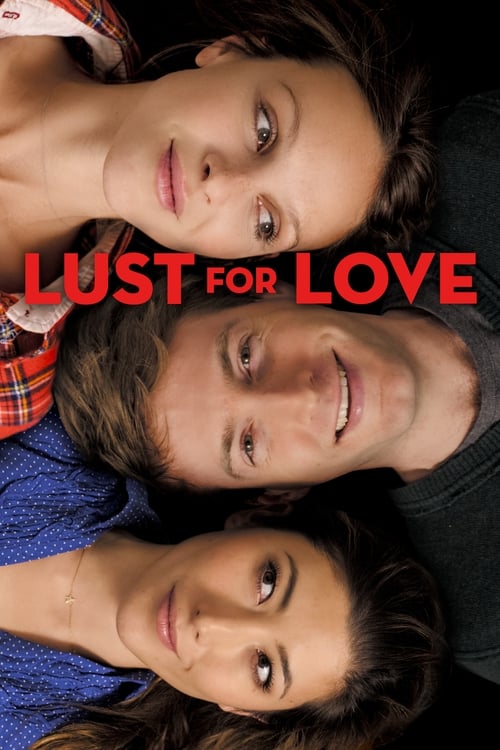
2014

2009

2015

2005
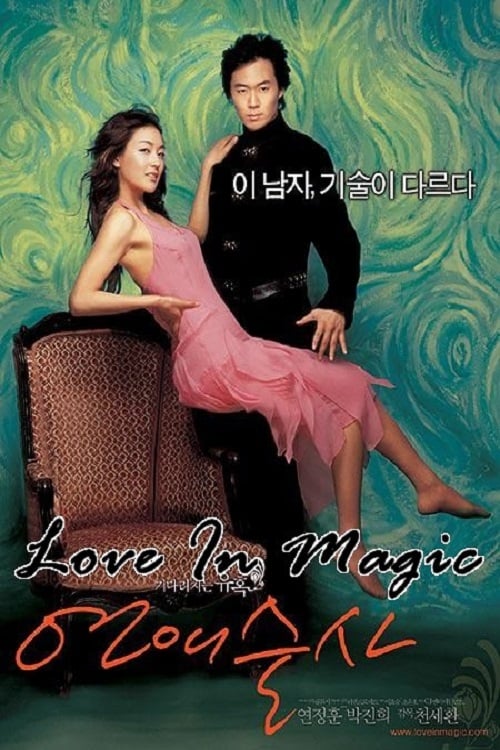
2005

2014

2009

2016

2012

2010
No reviews yet. Be the first to share your thoughts on this movie!
Use the rating form above to leave a star rating and optional review.