
Parker
2013
No user ratings available yet
Representation score: 2.0 out of 10

Representation Score
Limited
2009
RDirector
Michael Mann
Runtime
140 minutes
Average Rating
No ratings yetNew Showbiz Analysis
Public Enemies is a period-specific crime drama that emphasizes historical accuracy over social commentary. It focuses on the Great Depression, highlighting the conflict between individual freedom and the expanding federal bureaucracy. The film effectively portrays the economic hardships of the era, using moral ambiguity to humanize the outlaw. However, it adheres to the social hierarchies of the 1930s, resulting in a largely homogeneous cast and a focus on male-centric power structures.
Category Breakdown
The film focuses solely on heterosexual relationships and does not include any non-binary gender identities or critiques of heterosexuality. There is no representation of LGBTQ+ characters or issues.
The story revolves around male protagonists and centers on their roles. Billie Frechette's emotional development is tied closely to the main male characters, limiting her influence in the narrative.
The cast is predominantly white and Anglo-Saxon, reflecting the 1930s Midwest setting. Instances of diversity are minor and lack the depth needed to challenge the dominant demographic narrative.
The film offers a nuanced look at systemic failures during the Great Depression. It examines the tension between individual survival and the growing power of the state.
There are no prominent depictions of visible or invisible disabilities. Such themes do not serve as central character arcs or plot drivers.
Present on Screen
Limited or Absent
Official Synopsis
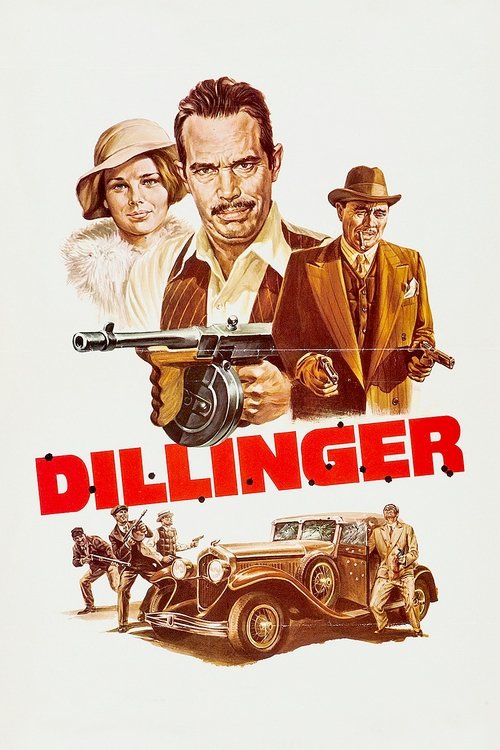
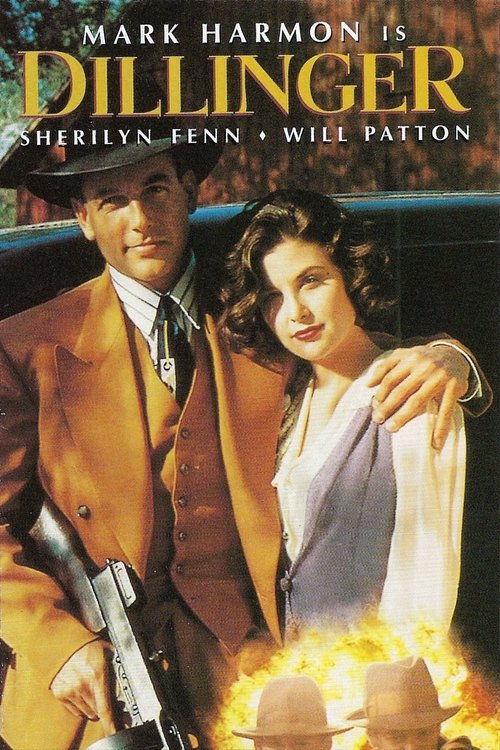
Depression-era bank robber John Dillinger's charm and audacity endear him to much of America's downtrodden public, but he's also a thorn in the side of J. Edgar Hoover and the fledgling FBI. Desperate to capture the elusive outlaw, Hoover makes Dillinger his first Public Enemy Number One and assigns his top agent, Melvin Purvis, the task of bringing him in dead or alive.
2013
1973

1995
1950
1991

2003

1996
1941
No reviews yet. Be the first to share your thoughts on this movie!
Use the rating form above to leave a star rating and optional review.