We Summoned a Demon
2017
No user ratings available yet
Representation score: 1.2 out of 10
Representation Score
Limited
2019
Director
Christian De Sica
Runtime
94 minutes
Average Rating
No ratings yetNew Showbiz Analysis
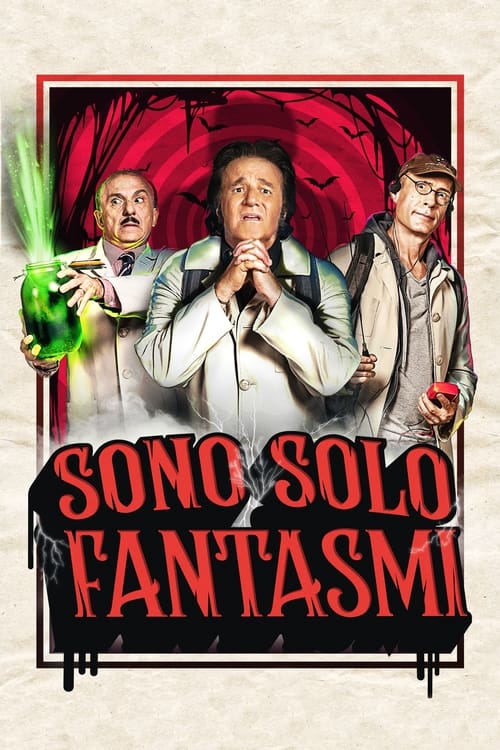
Christian De Sica’s comedy relies on established genre clichés and broad humor rather than social disruption. The film prioritizes domestic resolution and traditional comedic structures over diverse representation. The narrative adheres to conventional social hierarchies. While it explores family dysfunction through the lens of Neapolitan superstition, it does not challenge systemic norms or provide diverse representation. Ultimately, the film functions as a populist commercial comedy. It maintains a narrow demographic focus, reinforcing traditional archetypes rather than subverting them.
Category Breakdown
The story focuses on the bond between three brothers and operates within a traditional framework that assumes everyone is straight or cisgender, without exploring other gender identities.
Gender dynamics are used primarily for comedic effect, such as Carlo's submissive relationship with his wife. Women mainly occupy traditional domestic roles within the story.
The film features a cast that is culturally homogeneous, set in Naples. It lacks diverse ethnic identities and does not challenge Eurocentric norms.
The plot heavily incorporates local Neapolitan superstitions and traditional family structures. It follows a standard commercial trajectory without offering deeper cultural critiques.
Ugo is portrayed through a 'dim-witted' cliché, using cognitive differences as a comedic plot device. Characters with disabilities are not given empowering or meaningful roles.
Present on Screen
Limited or Absent
Official Synopsis
Thomas, a struggling former magician, and Carlo, a Neapolitan submissive to his Northern wife and father-in-law, are two half-brothers who reunite after years in Naples following the death of their father, Vittorio, an inveterate gambler and womanizer. They discover they have a third brother, Ugo, who appears a bit dim-witted but is actually a genius. The inheritance Thomas and Carlo covet disappears due to their father's debts, and the three have a brilliant idea: to exploit Neapolitan superstition and credulity by becoming "ghostbusters." Just when their business seems to be unexpectedly successful, the spirit of their father, Vittorio, takes possession of Carlo's body. Thomas and Carlo become convinced that ghosts really do exist. Meanwhile, the ghosts captured by the trio break free and go to awaken the ghost of a witch who threatens to destroy Naples. With their father's help, the three brothers try to save the city.
2017
2013

2019
2017
2010
2023
2019
2016
No reviews yet. Be the first to share your thoughts on this movie!
Use the rating form above to leave a star rating and optional review.