
Bleach the Movie: Hell Verse
2010
No user ratings available yet
Diversity score: 2.8 out of 10
2005
Not RatedDirector
Baltasar Pedrosa
Runtime
78 minutes
Average Rating
No ratings yetSynopsis
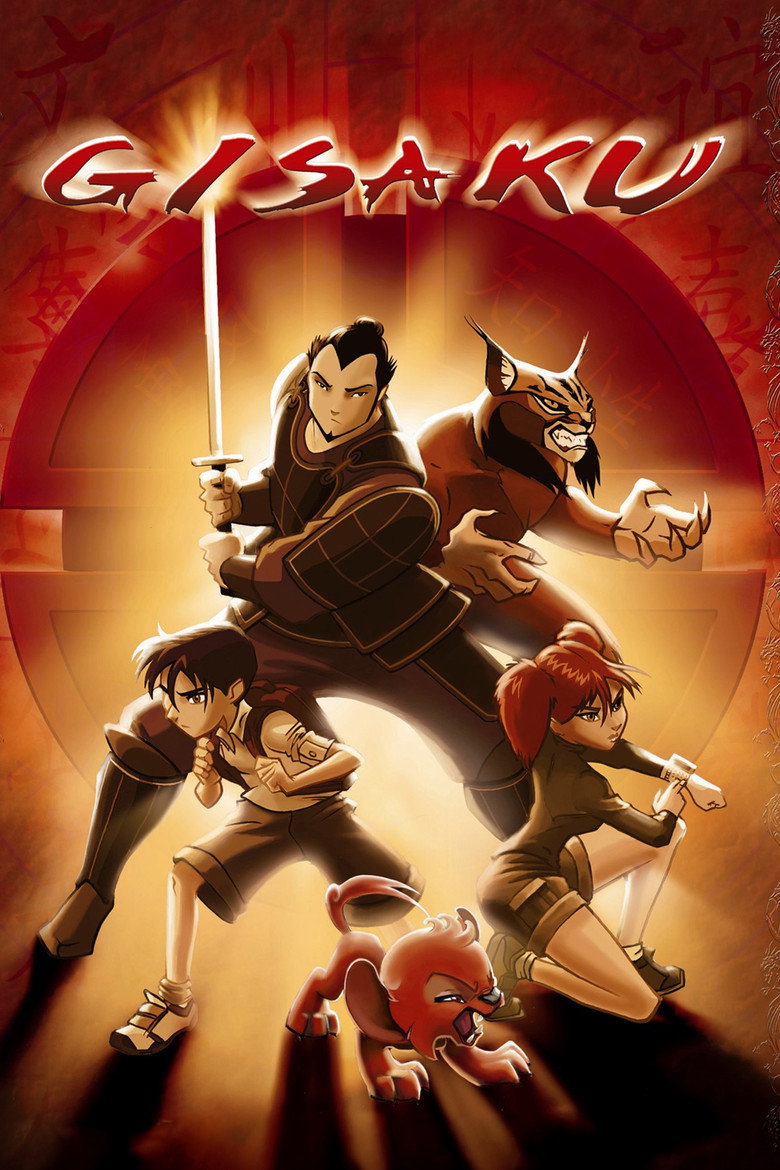
The adventures of a young Japanese samurai named Yohei who visited Spain in the 17th century, in a story loosely taking its inspiration from the travels of historic samurai Hasekura. Yohei survived in hiding to the present day due to magical powers, and accomplishes many adventures in modern Spain as a superhero.
Overall Score
Limited
Category Breakdown
LGBTQ+ Representation
The film contains no mention of LGBTQ+ characters or non-cisnormative identities. There are no visible narratives addressing heteronormativity.
Gender Representation
The narrative focus remains centered on the male protagonist, Yohei. There is no evidence regarding female characters or the subversion of gender hierarchies.
Racial & Ethnic Diversity
The story disrupts Eurocentric tropes by centering a Japanese protagonist within a Spanish setting. This creates a meaningful cross-cultural encounter through a non-Western hero.
Religious & Cultural Diversity
The premise integrates Eastern historical elements into a European landscape. The use of magical powers suggests a narrative that prioritizes non-traditional realities over strict dogma.
Disability Representation
There is no information regarding the inclusion of characters with visible or invisible disabilities.
Strengths
Areas for Improvement
AI Analysis
Gisaku offers a unique cross-cultural premise by placing a 17th-century Japanese samurai in modern-day Spain. This setup challenges traditional Western-centric adventure tropes by making a non-Western figure the primary agent of action. However, the film's diversity is highly specialized. While it succeeds in racial and cultural displacement, it lacks any verifiable representation regarding gender, disability, or LGBTQ+ identities. Ultimately, the work functions as a niche exploration of cultural intersectionality rather than a broad-spectrum inclusive narrative.
No reviews yet. Be the first to share your thoughts on this movie!
Use the rating form above to leave a star rating and optional review.