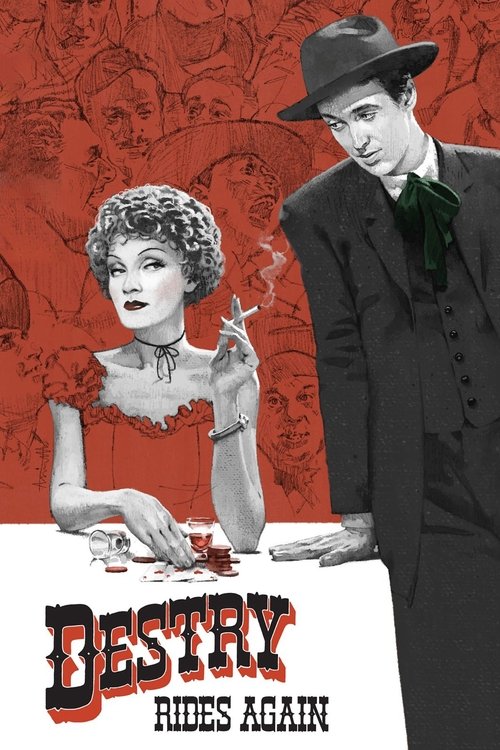
Destry Rides Again
1939
No user ratings available yet
Diversity score: 4.3 out of 10
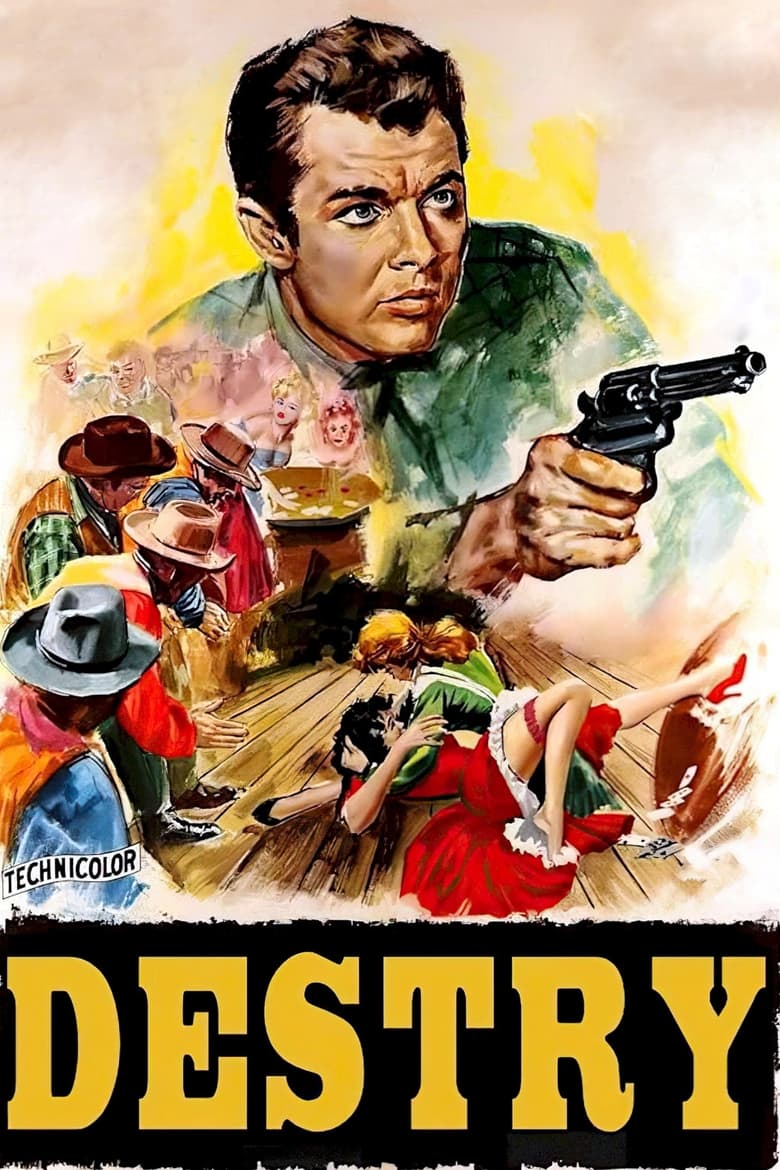
1954
NRDirector
George Marshall
Runtime
95 minutes
Average Rating
No ratings yetSynopsis
Western remake of "Destry Rides Again", starring Audie Murphy, Mari Blanchard, Thomas Mitchell, Lori Nelson and Lyle Bettger.
Overall Score
Minimal
Category Breakdown
LGBTQ+ Representation
The film lacks any visible presence of LGBTQ+ characters or non-cisnormative identities. It operates entirely within the heteronormative constraints of the 1954 cinematic landscape.
Gender Representation
Tom Destry challenges masculine archetypes by prioritizing pacifism over violence. However, the female lead remains within a standard mid-century framework without significant subversion of gender hierarchies.
Racial & Ethnic Diversity
Casting reflects a homogeneous demographic consistent with the era. The narrative reinforces the standard Western trope of a predominantly white frontier society with no characters of color possessing high agency.
Religious & Cultural Diversity
The story critiques frontier vigilantism in favor of institutional law. While it deconstructs the violent gunslinger archetype, it ultimately reinforces traditional Western values and established authority.
Disability Representation
There are no identifiable characters with visible or invisible disabilities. The film provides no representation of neurodivergence or the use of disability as a narrative device.
Strengths
Areas for Improvement
AI Analysis
Destry is a traditional mid-century Western that adheres to the established social hierarchies of its era. While it offers a slight subversion of the violent hero trope through its pacifist protagonist, it lacks intersectional complexity. The film functions primarily to restore social order through conventional means. It reinforces the legitimacy of institutional law rather than challenging the systemic structures of the frontier. Ultimately, the production reflects the demographic norms of 1954, offering a narrative architecture that prioritizes traditional authority and homogeneous casting over progressive representation.
No reviews yet. Be the first to share your thoughts on this movie!
Use the rating form above to leave a star rating and optional review.