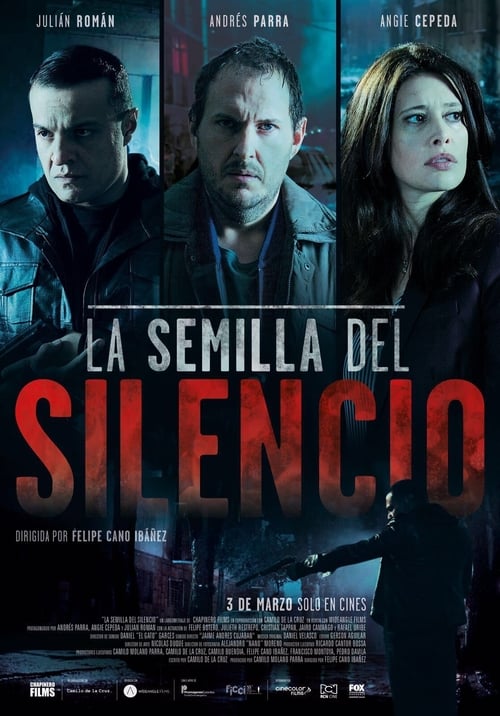
La semilla del silencio
2015
No user ratings available yet
Representation score: 5.5 out of 10

Representation Score
Fair
1990
Director
Carlos Azpúrua
Runtime
109 minutes
Average Rating
No ratings yetNew Showbiz Analysis
Carlos Azpúrua’s film is a potent piece of political cinema that prioritizes systemic critique over individual melodrama. It succeeds by centering the ability to act of underrepresented ethnic and gendered identities, specifically through Mercedes's transformation from a victim to a resistance leader. The film effectively uses its cast to reflect the demographic reality of the region, avoiding the whitewashing often seen in global action cinema. By framing state authority as inherently corrupt, the story aligns with post-colonial critiques of institutional repression. However, the film's narrow focus on class and state conflict results in a total absence of LGBTQ+ or disability-centric narratives. While it challenges many social hierarchies, it remains limited in its spectrum of identity representation.
Category Breakdown
The film does not include any identifiable LGBTQ+ characters or narratives. The story focuses exclusively on class struggle and conflicts between citizens and the state.
Mercedes breaks traditional gender roles by evolving from a grieving mother into a proactive political agent. Her refusal to submit to authority challenges conventional gendered expectations of submissiveness.
A predominantly indigenous and mestizo cast grounds the film in authentic regional demographics. This casting highlights the intersection of ethnicity and socioeconomic status within the working class.
The narrative critiques Western-aligned institutional structures and capitalist hierarchies. It prioritizes the subjective truth of the oppressed over the corrupt, official versions of state-sponsored events.
There is no significant evidence regarding the portrayal of physical or neurodivergent disabilities in this work.
Present on Screen
Limited or Absent
Official Synopsis
During a police round-up, Mercedes witnesses the unjust murder of her son, a working-class man, by a police captain. Refusing to accept the official version of the story - that her son was a criminal - she launches a campaign for justice. Santiago, a young journalist moved by Mercedes's passion and determination, begins to investigate the story of the police cover-up at the risk of his own life. As the investigation develops, the film exposes the depth of Venezuela's corruption.
2015
1999
1997
1970
1988
2009

1987
1998
No reviews yet. Be the first to share your thoughts on this movie!
Use the rating form above to leave a star rating and optional review.