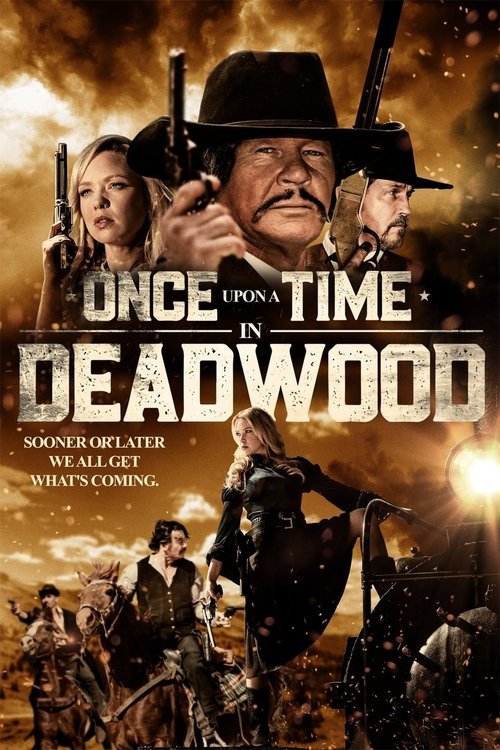
Once Upon a Time in Deadwood
2019
No user ratings available yet
Representation score: 0.8 out of 10
Representation Score
Excellent
2007
RDirector
Chuck Walker
Runtime
87 minutes
Average Rating
No ratings yetNew Showbiz Analysis
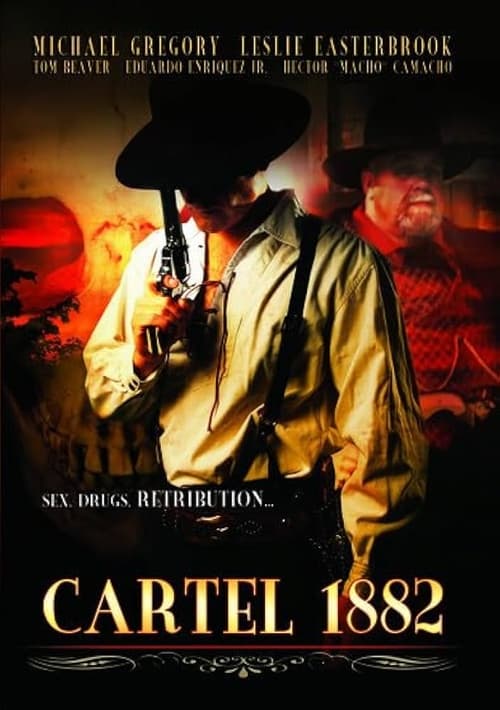
Cartel, 1882 operates as a revisionist Western that actively deconstructs genre expectations. By integrating urban decadence and diverse subcultures into the 1880s frontier, the film replaces traditional hero archetypes with a landscape of moral ambiguity. The film excels at presenting diverse social strata and non-traditional spaces, such as drag queen lairs and various drug empires. This approach complicates the historical mythos by centering identities often excluded from the Western genre. However, the narrative remains heavily male-centric, with female characters appearing mostly in the background and limited in their roles.
Category Breakdown
The film features drag queen lairs as central plot settings, providing visibility for non-conforming gender expressions during a historical period piece.
The narrative centers on male-dominated power dynamics involving a drug lord and a detective. While cat-houses are mentioned, women appear relegated to the periphery without a significant role in driving the story.
The story incorporates elements like peyote and cocoa leaf trades, connecting the plot to Indigenous and Latin American cultural contexts.
The film avoids singular moral frameworks by focusing on systemic corruption and opium dens, emphasizing moral relativism over traditional Western religious or social orders.
A Pinkerton detective is shown dealing with terminal tuberculosis and alcoholism, adding layers of physical and neurological complexity to the character archetype.
Present on Screen
Limited or Absent
Official Synopsis
Horace Longstreet operates the most brutal drug empires in the south, dealing in peyote, cocoa leaves, laudanum and opium. When he learns a young transporter known as the 'Cat' has been skimming profits, he enlists the aid of a Pinkerton detective, now deep in the bottle and dying of tuberculosis. Against his will, Tyrone Burke must kill or capture the young offender, but the Cat has many lives and leads his pursuer or a 'Wizard of Oz'-type journey through the most dangerous and perverse opium dens, cat-houses and drag queen lairs in the 1880's south. In the end, however, is the Cat actually running for his life or has the hunted now become the hunter? A startling, final confrontation brings two forces of extreme evil face to face, gun to gun, and the result may change the entire direction of the future.
2019

1980
2014
1987
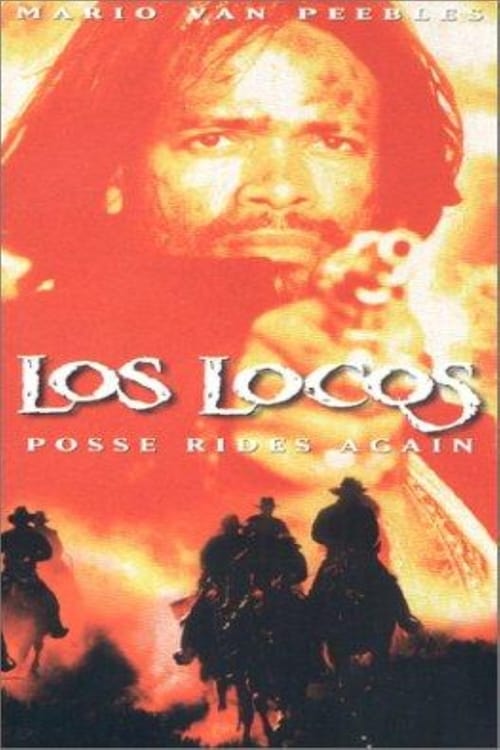
1997

1991
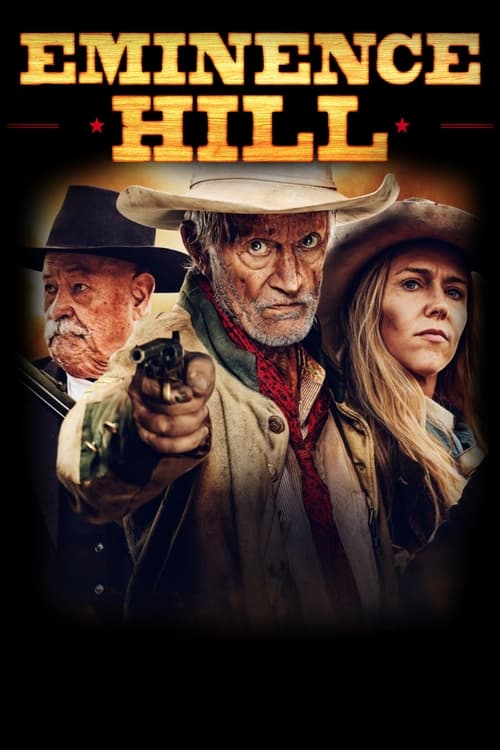
2019
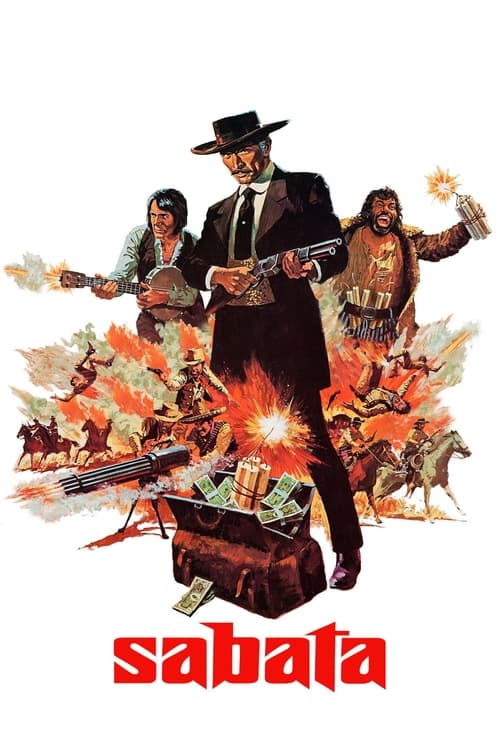
1969
No reviews yet. Be the first to share your thoughts on this movie!
Use the rating form above to leave a star rating and optional review.