Project Power
2020
No user ratings available yet
Representation score: 4.2 out of 10
Representation Score
Good
2020
Not RatedDirector
Adam Egypt Mortimer
Runtime
90 minutes
Average Rating
No ratings yetNew Showbiz Analysis
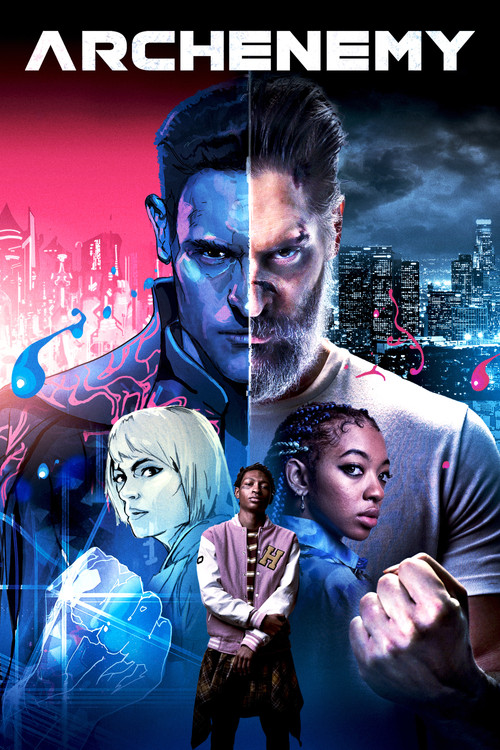
Archenemy functions as a systemic critique, dismantling traditional hero archetypes and challenging institutional authority. Its strength lies in its anti-establishment framework and its rejection of capitalist dominance. However, the film lacks detailed focus on specific identity-based representation. It misses opportunities to delve deeply into LGBTQ+ narratives or the lived realities of disability, treating these elements primarily as metaphorical tools. Ultimately, the film prioritizes a broader, more philosophical exploration of power and social decay within a gritty, multicultural urban setting over specific identity representation.
Category Breakdown
The film does not include explicit LGBTQ+ identities or non-cisgender gender expressions. While the social context seems open and fluid, there are no specific queer stories or critiques of the assumption that everyone is straight.
Indigo plays a key role in advancing the plot rather than being a passive observer, breaking away from traditional damsel-in-distress clichés. However, the climax of the film lacks significant women's ability to drive the story, limiting the impact of its gender subversion.
Set in a dystopian London, the film showcases a diverse, globalized urban reality. The casting and environment reflect a landscape shaped by historical colonization rather than a homogeneous Western city.
The narrative provides a deep critique of capitalism and corporate dominance. It portrays authority figures as antagonists and views the protagonist's anti-social behavior as a necessary response to systemic corruption.
The protagonist's loss of power serves as a narrative tool for his character development. The film does not explicitly explore neurodivergence or the lived experiences of physical disabilities.
Present on Screen
Limited or Absent
Official Synopsis
Max Fist claims he’s a hero from another dimension who has somehow landed on Earth and been stripped of his powers. Instead of treating him like a powerful champion, no one believes Max’s claims — except for a teenager named Hamster and his sister Indigo. The siblings convince Max to help them take out a local drug gang, where Max’s abilities are put to a violent and harrowing test.
2020
2016

2019

2009
2022
2022
2009
2018
No reviews yet. Be the first to share your thoughts on this movie!
Use the rating form above to leave a star rating and optional review.