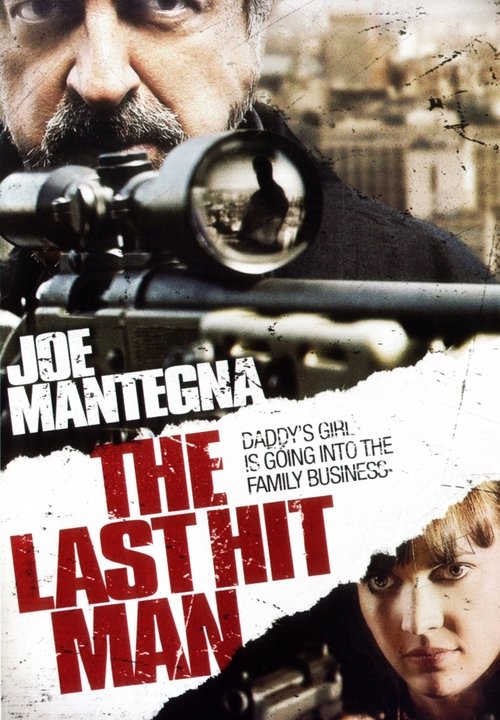
The Last Hit Man
2008
No user ratings available yet
Diversity score: 3.6 out of 10

1989
RDirector
William Lustig
Runtime
87 minutes
Average Rating
No ratings yetSynopsis
A family man and a mob witness hunt for a hit-man who has mistakenly kidnapped the family man's son.
Overall Score
Minimal
Category Breakdown
LGBTQ+ Representation
The film contains no discernible LGBTQ+ characters or non-cisnormative identities. The narrative remains strictly focused on a masculine-coded world of professional assassination.
Gender Representation
Power dynamics are defined by physical prowess and violence among male protagonists and antagonists. There is no significant evidence of female characters possessing agency that challenges patriarchal structures.
Racial & Ethnic Diversity
The cast appears relatively homogeneous, typical of low-budget urban crime thrillers from this era. The setting serves as a gritty backdrop rather than a space for ethnic exploration.
Religious & Cultural Diversity
The film operates within a framework of moral relativism common to the crime genre. It does not actively challenge Western cultural norms or prioritize systemic critiques of power.
Disability Representation
There is no evidence of characters with visible or invisible disabilities integrated into the story. Disability is not utilized as a central theme or character-driven element.
Strengths
Areas for Improvement
AI Analysis
Hit List is a conventional genre exercise that reinforces the traditional cinematic hierarchies of the late 1980s. It functions as a standard exploration of criminal underworld tropes, prioritizing kinetic violence and professional assassination over sociological depth. The film lacks the intentionality required to disrupt social norms or provide meaningful intersectional representation. Instead, it adheres to the established tropes of its era, focusing on male-driven conflict and transactional motivations. Ultimately, the narrative architecture is built around the mechanics of contract killing rather than any attempt at subverting traditional social structures or exploring diverse identities.
2008
1989

1992

2021

2001
1999
1999

2025

2010

1994

1987

1989
No reviews yet. Be the first to share your thoughts on this movie!
Use the rating form above to leave a star rating and optional review.