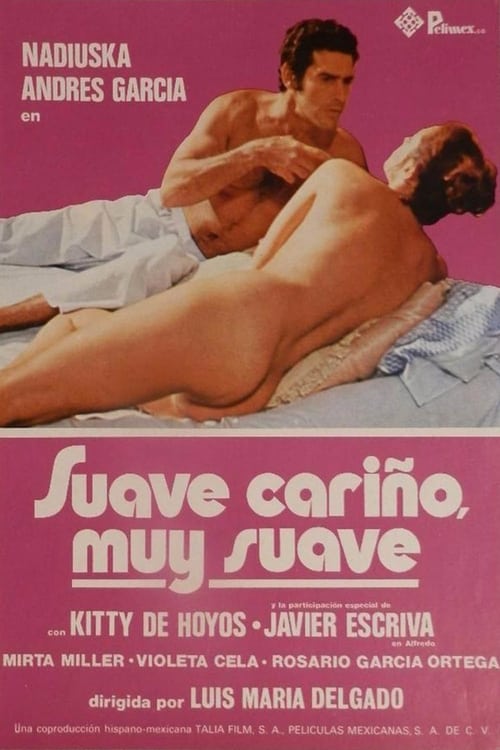
Suave cariño, muy suave
1978
No user ratings available yet
Representation score: 3.2 out of 10

Representation Score
Limited
1978
Director
Luis María Delgado
Runtime
80 minutes
Average Rating
No ratings yetNew Showbiz Analysis
Pepito Piscinas captures the essence of late-1970s Spanish commercial comedy. It adheres to the standard comedic practices of its era, favoring traditional humor over progressive storytelling. The film does not show intentional efforts to include diverse identities or challenge social hierarchies. Despite being set during a period of Spanish liberalization, the representation aligns closely with the demographic and social norms of the time. Ultimately, the film serves as a period-specific entertainment piece rather than a tool for social critique or diverse representation.
Category Breakdown
The film likely follows typical heterosexual-focused comedic conventions from 1978. There is no indication of LGBTQ+ identities or stories that challenge traditional norms.
The film includes prominent women such as Mirta Miller and Susana Estrada, but they may fit traditional roles. There is no evidence of women having superior intellectual influence or control over the story.
The film reflects the demographics of its time, featuring a predominantly Spanish cast. There is no record of non-white actors or roles that deviate from traditional expectations.
Set during a transitional period in Spain, the film likely addresses changing values through slapstick humor rather than a structured critique of religion or family structures.
There is no information about characters with visible or invisible disabilities in the film.
Present on Screen
Limited or Absent
1978
1970
1978
1988
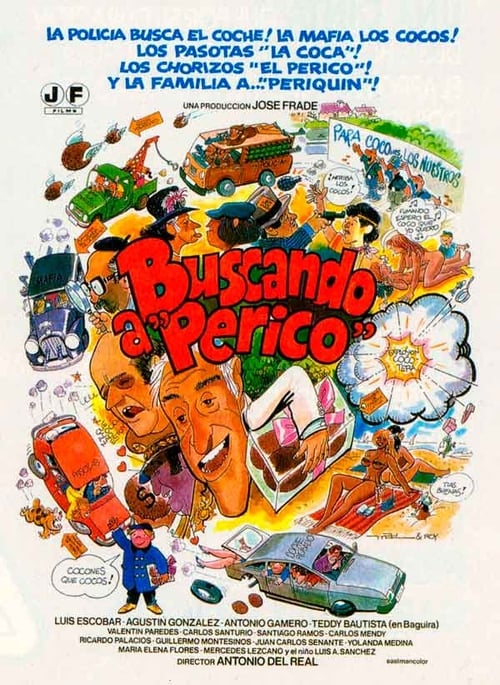
1982
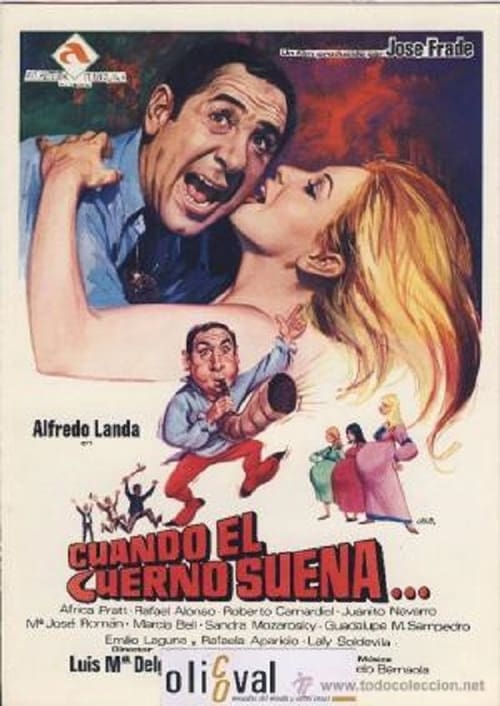
1975
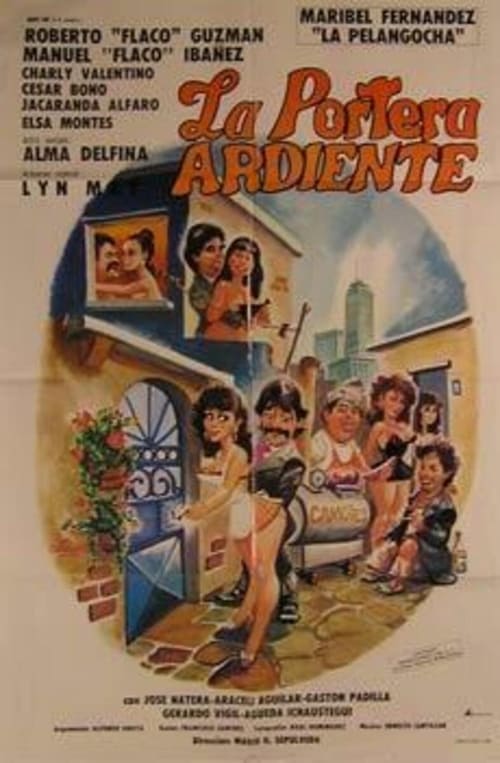
1989
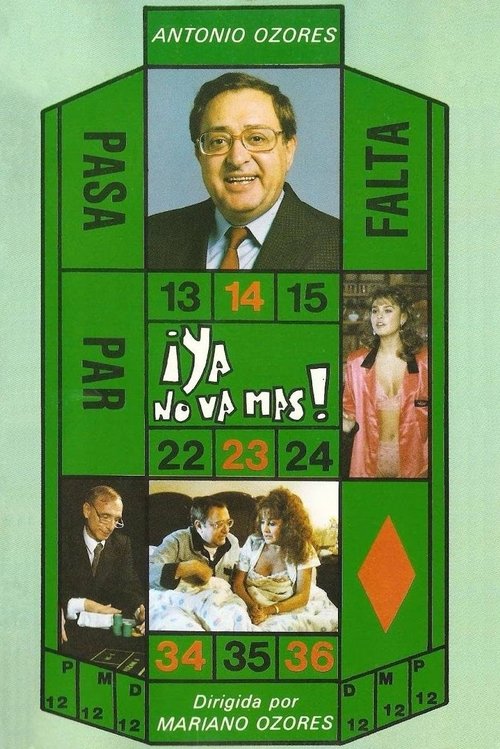
1988
No reviews yet. Be the first to share your thoughts on this movie!
Use the rating form above to leave a star rating and optional review.