
Camus
2010
No user ratings available yet
Representation score: 5.7 out of 10
Representation Score
Good
1990
TV-14Director
Udayan Prasad
Runtime
74 minutes
Average Rating
No ratings yetNew Showbiz Analysis
This biographical drama excels in its nuanced handling of subtext and identity. By focusing on Proust's inner life, the film challenges the social rigidity of the early 20th century without relying on clichés. The production offers a layered portrayal of suppressed desires and emotional truth. Although the setting restricts racial and ethnic diversity, the film provides depth through its supporting characters and psychological complexity. Ultimately, the film serves as a character study that prioritizes human connection over grand historical spectacle, offering a thoughtful exploration of the social constraints of a specific era.
Category Breakdown
The film examines Marcel Proust's hidden sexuality during World War I. It avoids stereotypes, focusing on the tension between personal desires and public behavior through subtle emotional connections.
Céleste Albaret is portrayed as a capable housekeeper. However, the narrative centers on the male intellectual experience and the traditional gender roles of the time.
The cast and setting mirror the homogeneous demographics of Paris in 1916. The absence of ethnic diversity seems to reflect the historical context.
The film emphasizes psychological interiority over traditional 'great man' historical narratives. It portrays rigid social structures as barriers to genuine human connection and sensory experiences.
Amable Massis is shown as a dignified wounded soldier. The film highlights his musical abilities rather than portraying his injury as a source of pity.
Present on Screen
Limited or Absent
Official Synopsis
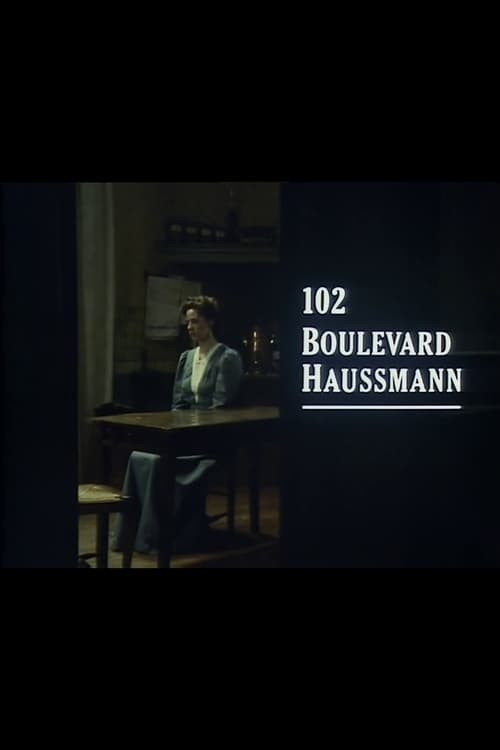
In 1916 author Marcel Proust is leading a reclusive life in Paris. He hires a quartet of musicians and befriends one of them, a wounded serviceman.
2010

2012

2011

1986

1998

1952
1986

1992
No reviews yet. Be the first to share your thoughts on this movie!
Use the rating form above to leave a star rating and optional review.