Nightfall
2012
No user ratings available yet
Representation score: 0.0 out of 10
Representation Score
Minimal
2013
Director
James Benning
Runtime
193 minutes
Average Rating
No ratings yetNew Showbiz Analysis
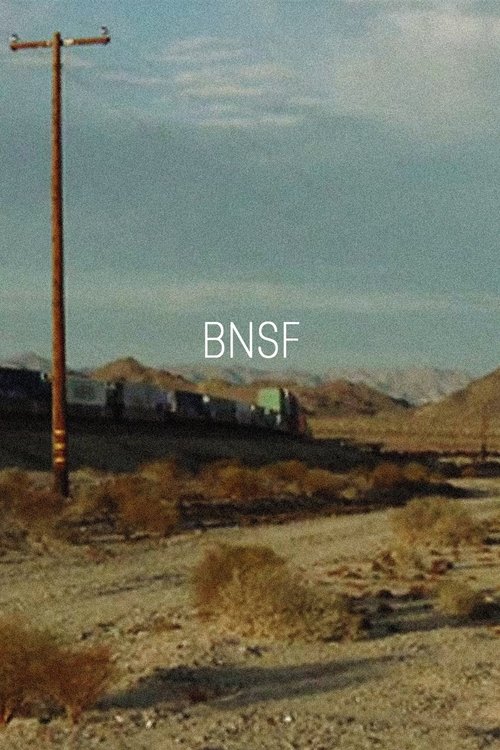
James Benning’s *BNSF* is a formalist, structuralist documentary that prioritizes landscape and industrial movement over human storytelling. By using long, static shots of the Burlington Northern Santa Fe railway, the film serves as a study of space rather than a sociological examination of society. Since the film avoids dialogue, plot, and character development, it operates outside the typical frameworks of identity politics. It does not aim to represent social hierarchies or underrepresented perspectives, focusing instead on the passage of time and the presence of industrial infrastructure. Ultimately, the film's lack of diversity stems from its non-narrative intent. It replaces human influence with a contemplation of the impersonal scale of corporate systems and the natural environment.
Category Breakdown
The film contains no human characters or dialogue. It lacks any depiction of gender identity or sexual orientation.
As a non-narrative study of machinery and landscape, the film does not engage with gender roles. No characters are present to embody masculine or feminine archetypes.
The focus remains strictly on the aesthetics of the desert and railroad infrastructure. There is no racial or ethnic representation within the work.
The film highlights the vast scale of industrial capitalism through the BNSF railway. This provides a canvas for interpreting the dominance of corporate systems over nature.
The work features no human subjects. Consequently, there is no representation of physical or neurodivergent identities.
Present on Screen
Limited or Absent
Official Synopsis
A three hour shot containing light, dark, and a BNSF train in the desert.
2012
2001

2004
2003
2009
1977
2007
2002
No reviews yet. Be the first to share your thoughts on this movie!
Use the rating form above to leave a star rating and optional review.