Find another title
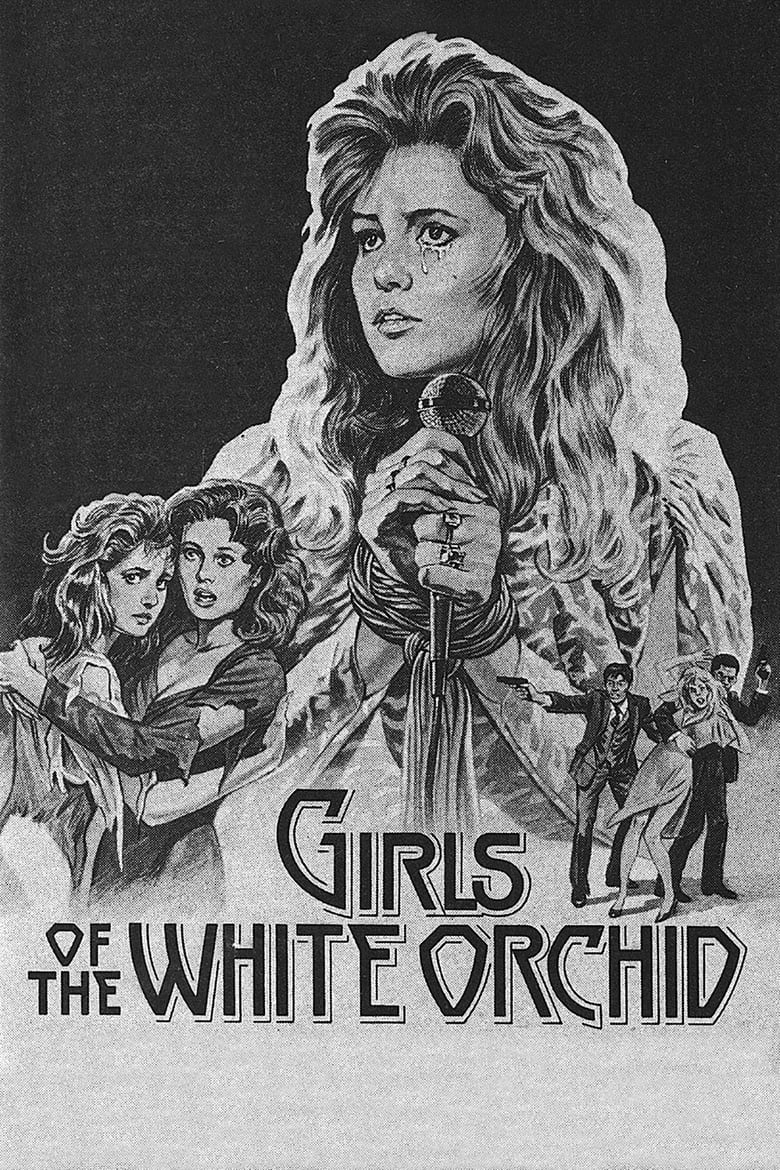
Girls of the White Orchid
1983
Director
Jonathan Kaplan
Runtime
96 minutes
Average Rating
No ratings yetSynopsis
In Los Angeles, naive and lonely waitress and aspirant singer Carol finds an advertisement for a job opportunity in Tokyo. Traveling to Japan to work at the White Orchid nightclub, she discovers the scheme of prostitution in the club that belongs to Yakuza. Alone, without money and her passport, she is protected by Shiro, but pressed by the managers Madame Mori and her husband Hatanaka to be receptive to client's proposals.
Where to Watch
Diversity & Representation
Overall Score
Fair
Category Breakdown
LGBTQ+ Representation
The story focuses on heteronormative power dynamics and patriarchal criminal structures. There is no explicit evidence of queer agency or specific LGBTQ+ identities within the narrative.
Gender Representation
The film centers on the female experience of survival within a predatory system. Carol navigates a landscape of male-dominated violence, challenging tropes of passive victimhood.
Racial & Ethnic Diversity
The cross-cultural setting explores friction between Western and Eastern structures. Japanese characters like Shiro and Madame Mori provide a framework for examining ethnic power dynamics.
Religious & Cultural Diversity
The narrative engages with themes of moral relativism and institutional corruption. It critiques capitalist exploitation through the lens of the Yakuza-run nightclub scheme.
Disability Representation
There is no evidence regarding the inclusion or portrayal of characters with physical or neurodivergent disabilities.
Strengths
- Centers the female experience of survival within a predatory, male-dominated system.
- Provides a strong critique of institutional corruption and systemic exploitation.
- Explores complex cross-cultural dynamics between Western and Eastern social structures.
Areas for Improvement
- Lacks explicit representation or agency for LGBTQ+ characters.
- Provides no evidence of characters with physical or neurodivergent disabilities.
- Focuses heavily on heteronormative power dynamics throughout the narrative.
AI Analysis
Girls of the White Orchid functions as a critique of systemic exploitation and organized crime. By centering on Carol's struggle against the Yakuza-run White Orchid nightclub, the film prioritizes a female perspective navigating a landscape of gendered and institutional violence. The narrative succeeds in deconstructing traditional power structures, using the nightclub as a microcosm for corruption. It moves beyond simple victimhood to explore how individuals navigate predatory social hierarchies. However, the film lacks representation for LGBTQ+ identities and disability. While it explores cross-cultural friction, the depth of its ethnic diversity remains tied to the specific roles of the Japanese characters.
Rate this Movie
Reviews
No reviews yet. Be the first to share your thoughts on this movie!
Use the rating form above to leave a star rating and optional review.