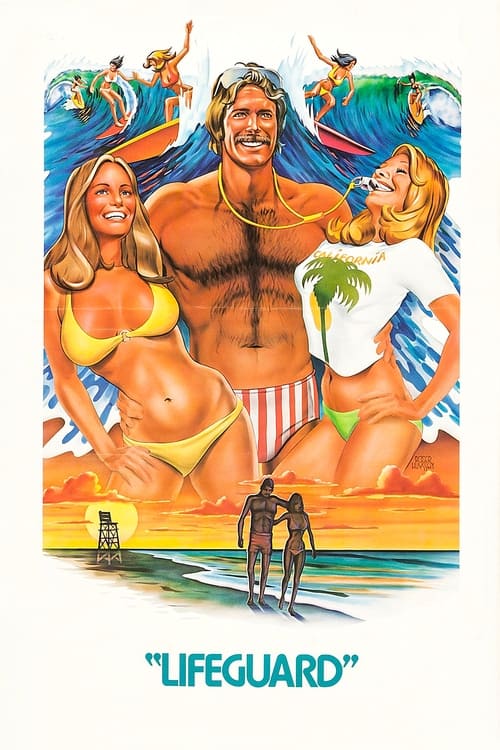
Lifeguard
1976
No user ratings available yet
Diversity score: 2.7 out of 10
1993
PG-13Director
Mike Binder
Runtime
97 minutes
Average Rating
No ratings yetSynopsis
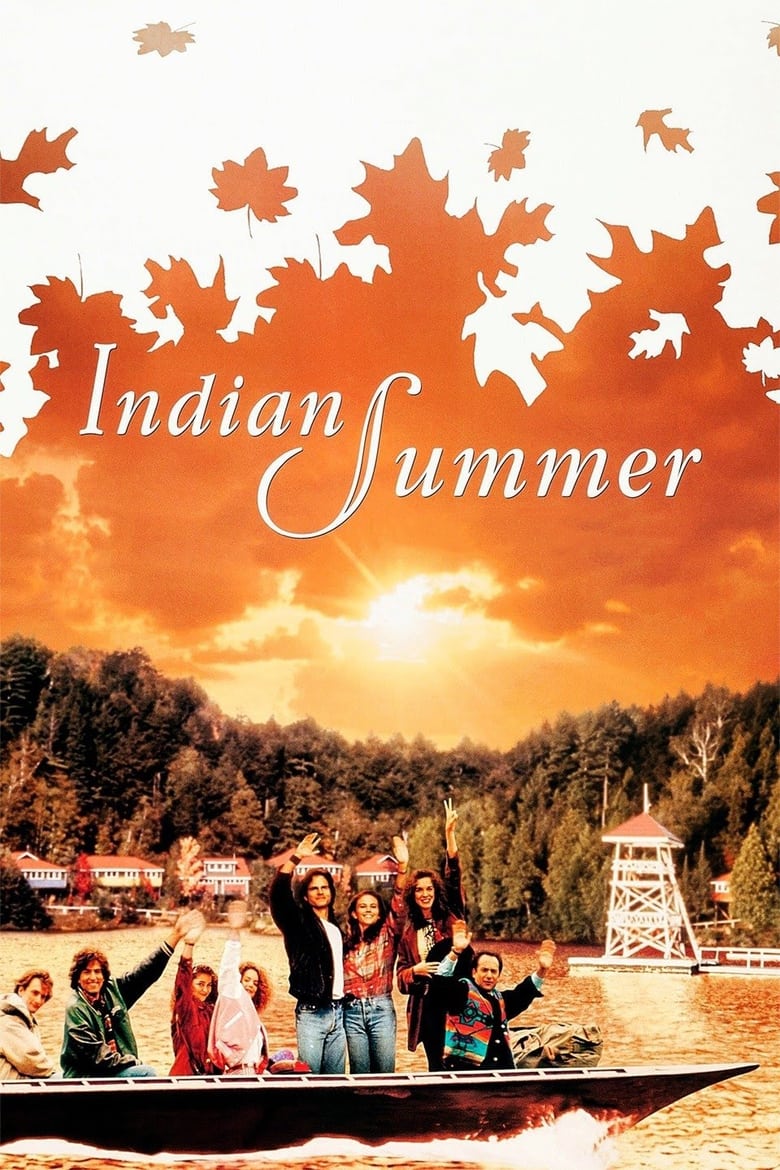
A group of childhood friends, now in their thirties, reunite at Camp Tamakwa. Only a few of the original campers show up, but they still have a good time reminiscing. The people share experiences and grow while at the camp. They are dismayed to discover that the camp's owner, Unca Lou, is going to close the camp down.
Overall Score
Minimal
Category Breakdown
LGBTQ+ Representation
The film lacks LGBTQ+ characters or explorations of non-heteronormative identities. Its central conflicts are rooted in traditional romantic and marital structures.
Gender Representation
The narrative focuses heavily on the male protagonist's internal crisis and emotional trajectory. Female characters primarily serve as catalysts for his development rather than driving autonomous arcs.
Racial & Ethnic Diversity
The ensemble is predominantly white, reflecting a highly homogeneous social environment. The story does not engage with racial intersectionality or diverse cultural perspectives.
Religious & Cultural Diversity
This domestic drama prioritizes individual emotional experiences over broader social critiques. It does not challenge Western institutions like the nuclear family or traditional morality.
Disability Representation
There are no prominent depictions of physical, sensory, or neurodivergent disabilities. The characters' struggles remain strictly psychological and relational.
Strengths
Areas for Improvement
AI Analysis
Indian Summer is a traditional character study centered on mid-life domesticity and the fallout of infidelity. While it explores the complexities of marriage, the storytelling remains tethered to conventional social norms of its era. The film lacks meaningful engagement with intersectional identities or systemic power critiques. It functions as a localized drama that prioritizes individualist emotional arcs over diverse social representations. Ultimately, the production adheres to a homogeneous casting model and focuses on a narrow, traditional view of social and romantic structures.
1976
1991
2012
1998
1993

2002
1988
2000
1999

2019

2015

2007
No reviews yet. Be the first to share your thoughts on this movie!
Use the rating form above to leave a star rating and optional review.