
The Apollo
2019
No user ratings available yet
Representation score: 9.1 out of 10
Representation Score
Excellent
2018
PG-13Director
Robert Townsend
Runtime
85 minutes
Average Rating
No ratings yetNew Showbiz Analysis
Robert Townsend’s documentary is a powerful exploration of Black ability to act and the fight against Hollywood's exclusionary gatekeeping. Its primary strength lies in its unapologetic centering of the Black experience, offering a necessary counter-narrative to traditional white-centric cinema. While the film excels in racial representation, it lacks depth in other areas. It does not explicitly address LGBTQ+ identities or disability, focusing instead on the professional and creative hurdles faced during production. Ultimately, the film succeeds as a testament to reclaiming the cinematic lens. It provides a sophisticated look at how independent creators can disrupt systemic structures to preserve cultural identity.
Category Breakdown
The film focuses on the professional journey of the ensemble cast and production history. It does not include explicit depictions of LGBTQ+ narratives or non-binary gender expressions.
While the vocal group is male-dominated, the documentary highlights the professional competence of women in the industry. It showcases their active roles and contributions.
The documentary excels by centering the Black experience and the ability to act of Black creators. It serves as a meta-commentary on the necessity of Black-led narratives in Hollywood.
The film critiques Western institutional barriers and the tension between creative authenticity and commercial pressures. It prioritizes cultural legacy and identity-driven storytelling over industry norms.
There is no prominent focus on visible or invisible disabilities. The narrative centers on professional development and creative struggle rather than neurodivergence or physical disability.
Present on Screen
Limited or Absent
Official Synopsis
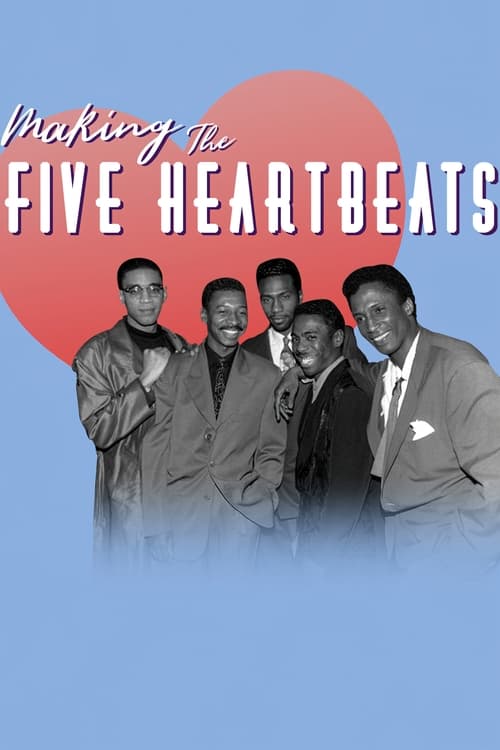
In 1990, actor, comedian, writer and director, Robert Townsend, went against every obstacle in Hollywood, relying on his faith, street smarts, and tenacity to bring his passion project, 1991’s The Five Heartbeats, to big screens. The Motown-flavored story of the rise and fall of an African-American vocal group in the 1960s, the musical drama is the subject of Townsend’s documentary, Making The Five Heartbeats. The documentary chronicles the inspiring journey of a young black writer/director (Townsend) determined to present a new image of black people in cinema while endeavoring to create a classic.
2019
2018
2013
1978
2014
2024
2021
2021
No reviews yet. Be the first to share your thoughts on this movie!
Use the rating form above to leave a star rating and optional review.