
Me & You
2012
No user ratings available yet
Representation score: 5.0 out of 10
Representation Score
Fair
1983
Director
Alfonso Cuarón
Runtime
23 minutes
Average Rating
No ratings yetNew Showbiz Analysis
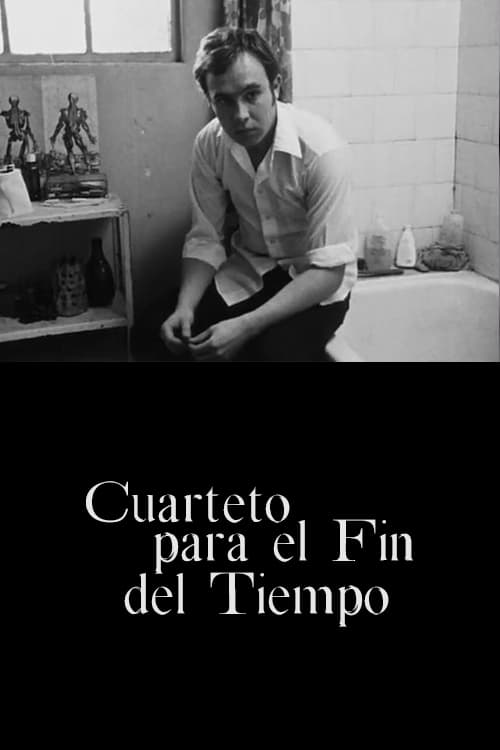
Quartet for the End of Time is a character-driven drama that prioritizes existential solitude over broad demographic representation. The film functions as an individualistic study of a man living in detachment from his surroundings. While the work avoids common social clichés by focusing on social indifference, it lacks the explicit markers of diversity needed for a higher score. The narrative leans heavily into the protagonist's internal state rather than a diverse social tapestry. Ultimately, the film's strength lies in its potential for non-Anglo-centric storytelling, though it remains limited by its narrow focus on a single, isolated perspective.
Category Breakdown
The film focuses on a solitary male protagonist and his indifference toward the world. There is no explicit evidence of queer narratives or non-straight identities present.
The narrative centers on a young man’s internal experience. While it avoids traditional hierarchies, the lack of women's ability to drive the story prevents a higher score.
The production context suggests engagement with Latin American perspectives. However, the absence of specific details regarding a multi-ethnic ensemble keeps the score moderate.
By centering a protagonist detached from society, the film explores a subjective, existential framework. This approach potentially critiques traditional, community-centric moralities.
There is no evidence within the verified context to suggest the presence of characters with visible or invisible disabilities.
Present on Screen
Limited or Absent
Official Synopsis
The story of a young man who lives alone in his house, and his indifference and solitude with the world around him.
2012

1974
2008

2009

2005
1976

2002

1978
No reviews yet. Be the first to share your thoughts on this movie!
Use the rating form above to leave a star rating and optional review.