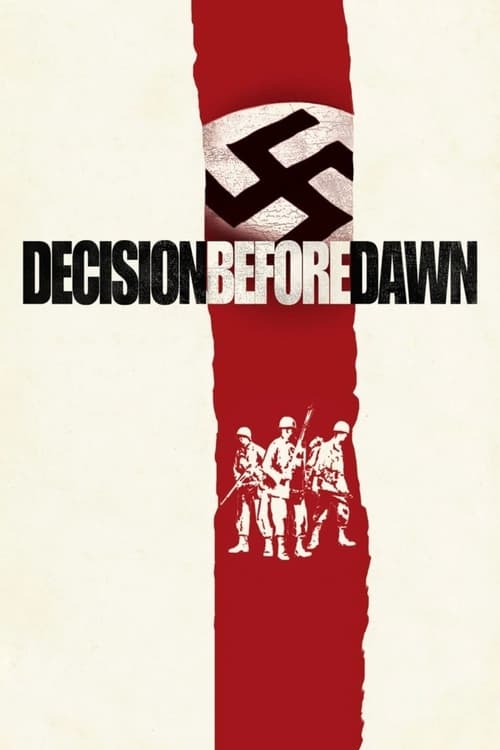
Decision Before Dawn
1951
No user ratings available yet
Representation score: 1.0 out of 10
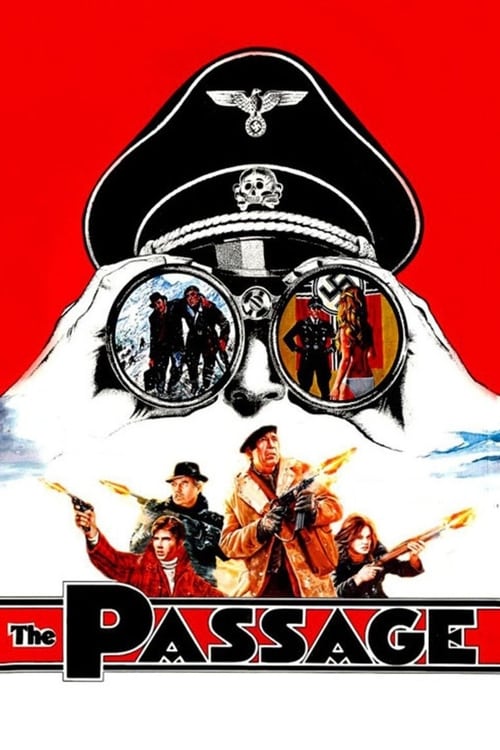
Representation Score
Limited
1979
RDirector
J. Lee Thompson
Runtime
99 minutes
Average Rating
No ratings yetNew Showbiz Analysis
The film succeeds in moving away from standard heroic soldier clichés by focusing on the survival of systemic victims. By highlighting the Jewish diaspora and Basque regional identity, it offers a more nuanced view of historical displacement compared to many contemporary war films. However, the production remains tied to the social hierarchies of the 1930s and 40s. This results in a lack of gender diversity and a complete absence of LGBTQ+ representation, reinforcing traditional archetypes rather than challenging them. Ultimately, the film is a study of systemic injustice. It prioritizes the human cost of fascism over state-centric glorification, making it a meaningful, if not fully inclusive, historical drama.
Category Breakdown
The film does not include any LGBTQ+ characters and does not explore non-straight relationships or identities. The narrative focuses exclusively on ethnic and religious persecutions of the era.
Male protagonists, such as the Basque shepherd and Jewish businessman, dominate the narrative ability to act. Female characters mostly play traditional domestic or supportive roles within the period's social hierarchy.
The story centers the Jewish experience and the displacement caused by National Socialism. Including a Basque shepherd provides regional ethnic specificity and avoids a purely Anglo-centric WWII perspective.
The film critiques totalitarianism by showing how a predatory state destroys individual ability to act. It highlights the fragility of social structures when faced with radical nationalism.
There is no significant evidence regarding the portrayal of physical or neurodivergent disabilities in this work.
Present on Screen
Limited or Absent
Official Synopsis
During WW 2, a Basque shepherd is approached by the underground, who wants him to lead a scientist and his family across the Pyrenees. While being pursued by a sadistic German.
1951
1943
1947

1978
1944

1945
1957
1941
No reviews yet. Be the first to share your thoughts on this movie!
Use the rating form above to leave a star rating and optional review.