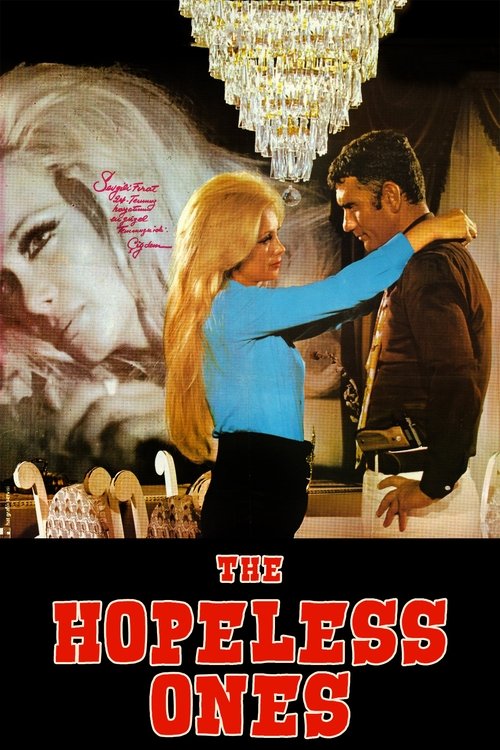
The Hopeless Ones
1971
No user ratings available yet
Representation score: 3.8 out of 10
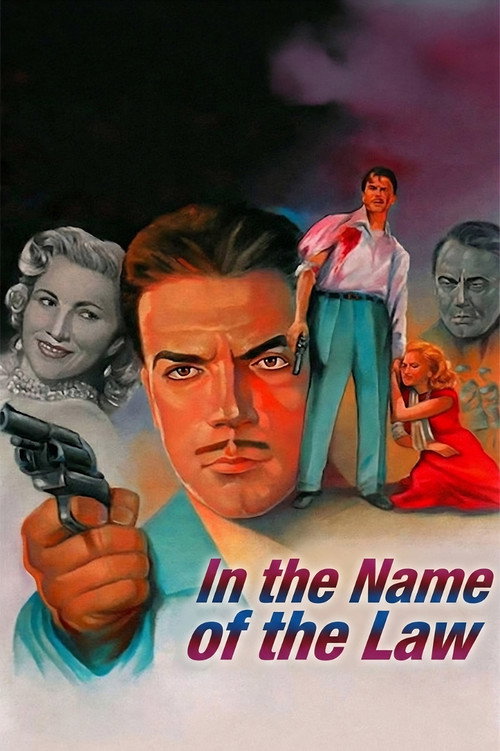
Representation Score
Minimal
1952
Director
Lütfi Akad
Runtime
94 minutes
Average Rating
No ratings yetNew Showbiz Analysis
Lütfi Akad’s crime drama operates as a traditional mid-century melodrama. The narrative hinges on a triangular tension between a husband and two sisters, driving the plot towards ruin. While the film gives significant roles to female characters in triggering conflict, it adheres to conventional storytelling structures without challenging systemic hierarchies. Ultimately, the work is a culturally specific Turkish production that emphasizes interpersonal volatility and the consequences of desire within a domestic framework.
Category Breakdown
The film focuses on a heterosexual love triangle and does not include any non-straight or non-cisgender identities.
Women play a significant role in driving the plot through their actions and desires, but the story relies on traditional melodramatic clichés.
This Turkish production provides a non-Western cultural context, but there is no blending of diverse ethnic identities or multi-layered casting.
The film explores the breakdown of social or moral order through crime, but it is unclear if it critiques specific institutions or focuses on localized drama.
The film provides no information regarding the depiction of physical, sensory, or neurodivergent characters.
Present on Screen
Limited or Absent
Official Synopsis
Car mechanic Nazım Usta marries the woman he loves, Ayten. Ayten's sister Nezahat also has feelings for Nazım. Nezahat's plans mark the beginning of a crime story that will lead all three of them to ruin.
1971
1943
1927
1960
1928
1982
1957
1940
No reviews yet. Be the first to share your thoughts on this movie!
Use the rating form above to leave a star rating and optional review.