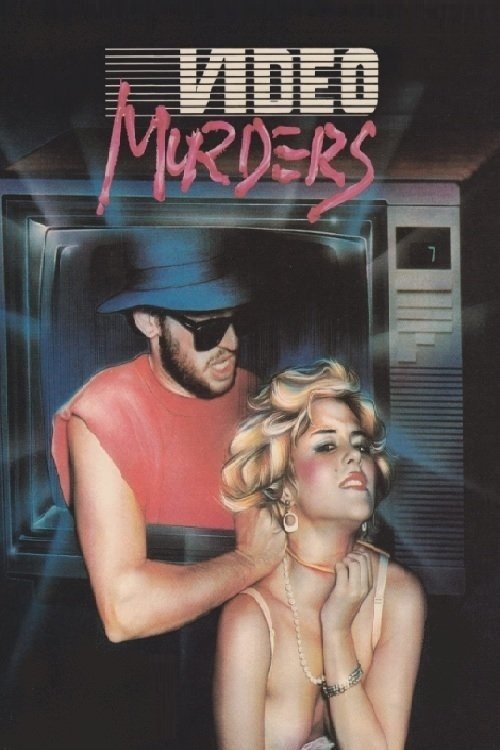
Video Murders
1988
No user ratings available yet
Representation score: 1.3 out of 10
Representation Score
Limited
1988
Director
Jeff Hathcock
Runtime
94 minutes
Average Rating
No ratings yetNew Showbiz Analysis
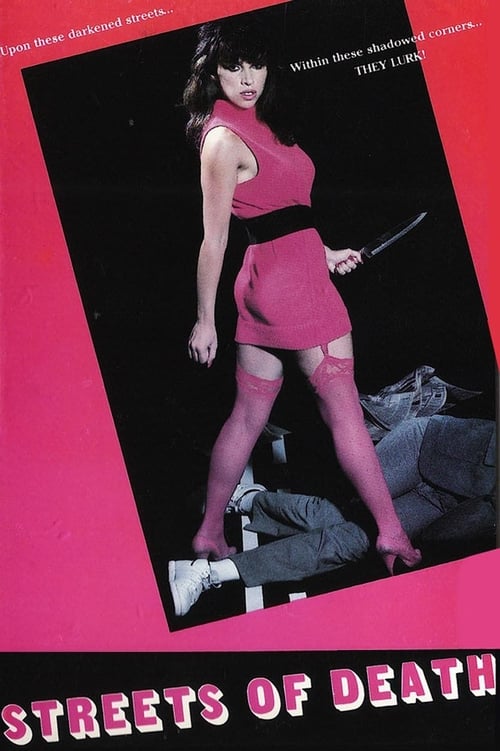
Streets of Death is a gritty exploitation thriller that focuses on populations living on the fringes of society. By centering on sex workers in Los Angeles, the film challenges sanitized, middle-class cinematic norms and addresses the realities of urban exclusion. While the film includes a racially diverse cast, it does not delve deeply into multi-layered issues. The representation sometimes relies on genre clichés, such as female vulnerability, which can limit its social complexity. Ultimately, the film uses its setting to critique the failure of social order, even if it prioritizes visceral thrills over a deeper exploration of systemic issues.
Category Breakdown
The film introduces characters who work in environments often overlooked by mainstream society. However, it does not explicitly confirm any characters' LGBTQ+ identities or show same-sex relationships.
Female characters play key roles in navigating a dangerous and high-stakes environment. While this highlights their resilience, there is a risk that these women may be seen as passive victims.
The cast features actors from various racial backgrounds, reflecting the diverse population of an urban Los Angeles setting.
The film examines urban decay and the failure of social institutions to protect underrepresented groups. It uses the streets to highlight systemic dangers and social critiques.
The film does not document any portrayal of physical or neurodivergent disabilities.
Present on Screen
Limited or Absent
Official Synopsis
The streets of Los Angeles are being littered with murdered prostitutes, as a sinister killer tempts desperate women into dangerous traps.
1988
1982
1975

2024
1987

2015

1972
1982
No reviews yet. Be the first to share your thoughts on this movie!
Use the rating form above to leave a star rating and optional review.