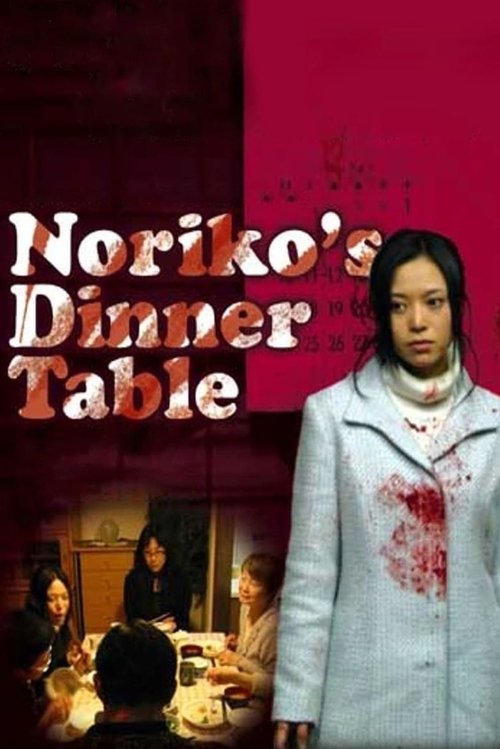
Noriko's Dinner Table
2005
No user ratings available yet
Representation score: 7.7 out of 10

Representation Score
Good
2015
TV-MADirector
Sion Sono
Runtime
85 minutes
Average Rating
No ratings yetNew Showbiz Analysis
Sion Sono’s *Tag* is a kinetic, nihilistic exploration of social disintegration. It rejects traditional moral hierarchies in favor of a surrealist survivalist reality. The film functions more as a deconstruction of genre clichés than a study of demographic representation. While the film lacks diversity in terms of LGBTQ+ and disability representation, it succeeds in subverting gendered expectations. By centering Mitsuko’s autonomy amidst chaos, it avoids the typical submissive female archetypes found in high-stakes action. Ultimately, the film's strength lies in its cultural critique. It presents a localized, Japanese-centric vision of societal decay that challenges the stability of modern institutional authority.
Category Breakdown
The film does not explicitly include LGBTQ+ identities or narratives that challenge the assumption that everyone is straight or cisgender. The violent setting focuses on physical survival rather than exploring identity-based character arcs. There is no critique of the assumption that everyone is straight or cisgender.
Mitsuko plays a strong central role, navigating extreme violence with high autonomy. The film challenges traditional submissive female archetypes by placing women in positions of physical endurance. The ritualistic game shifts gendered power dynamics.
The cast is predominantly Japanese, reflecting a specific localized setting. It avoids Western-centric clichés by presenting a dystopian vision of Japan. The narrative operates entirely outside of Anglo-centric structures.
The film sharply critiques modern social structures and institutional authority. It portrays the breakdown of the social contract as a surreal reality. This reflects a rejection of traditional moral frameworks.
There is no nuanced portrayal of visible or invisible disabilities. Characters are defined almost exclusively by their physical capacity to participate in the violent ritual. No characters with disabilities drive the narrative.
Present on Screen
Limited or Absent
Official Synopsis
As the sole survivor of a horrendous and rather mysterious accident, teenage Mitsuko's day is off to a bad start. An unstoppable force of nature, a doomed field trip, and a strange case of amnesia easily coexist in a bizarre parallel universe, where a desperate Mitsuko is always on the run from something inexplicable, intangible, and utterly deadly. However, amid piles of fresh corpses, mounds of scorching bullet shells, and rivulets of fragrant adolescent blood, Mitsuko must fight to stay alive, before her already messed-up day becomes even stranger. But one question still remains: who or what is the enemy?
2005

2014

2001

2018

2006
2018
2005

1991
No reviews yet. Be the first to share your thoughts on this movie!
Use the rating form above to leave a star rating and optional review.