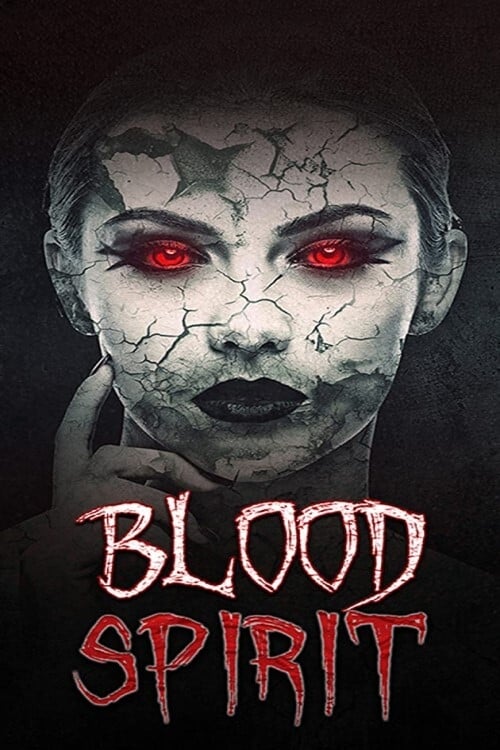
Blood Spirit
2020
No user ratings available yet
Diversity score: 1.5 out of 10

2017
Director
Kelton Jones
Runtime
83 minutes
Average Rating
No ratings yetSynopsis
In an attempt to kick his drug habit, Brian heads to his cabin and calls upon his friend Anna for help. When he gets there, Brain is harassed by the local sherif and haunted by the ghosts in his cabin.
Overall Score
Limited
Category Breakdown
LGBTQ+ Representation
The film lacks LGBTQ+ characters or non-heteronormative relationship dynamics. The narrative focuses exclusively on the central interpersonal conflicts within the protagonist's immediate social circle.
Gender Representation
Narrative weight leans heavily toward male-driven conflict and agency. While Anna provides support, the story relies on conventional archetypes like male authority figures.
Racial & Ethnic Diversity
The cast appears predominantly homogeneous, reflecting its rural Southern setting. There is no evidence of diverse ethnic blending or race-bent casting.
Religious & Cultural Diversity
The film explores social friction through conflicts with law enforcement. It frames drug use through personal recovery rather than systemic deconstruction.
Disability Representation
Substance dependency is presented as a personal struggle rather than a central disability narrative. No neurodivergent or physically disabled characters drive the plot.
Strengths
Areas for Improvement
AI Analysis
Dry Blood is a traditional, character-driven horror film that prioritizes localized, individualistic conflict. The narrative architecture adheres to conventional demographic and social structures, focusing on a protagonist's personal trauma and recovery. Because the story centers on a specific regional context in the rural American South, it lacks intersectional exploration. The film does not attempt to disrupt traditional tropes or provide meaningful representation for marginalized groups, opting instead for established archetypes.
2020
2020
2017
2022
2018
2011

2005
2014

2014

2018

2017
2018
No reviews yet. Be the first to share your thoughts on this movie!
Use the rating form above to leave a star rating and optional review.