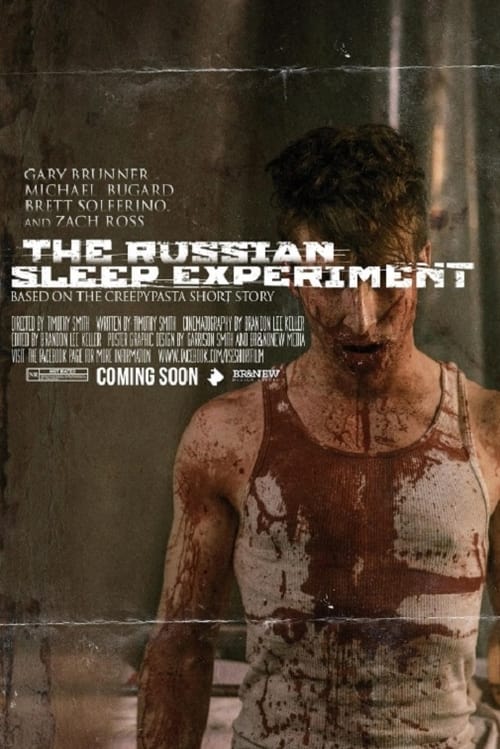
The Russian Sleep Experiment
2015
No user ratings available yet
Representation score: 3.7 out of 10
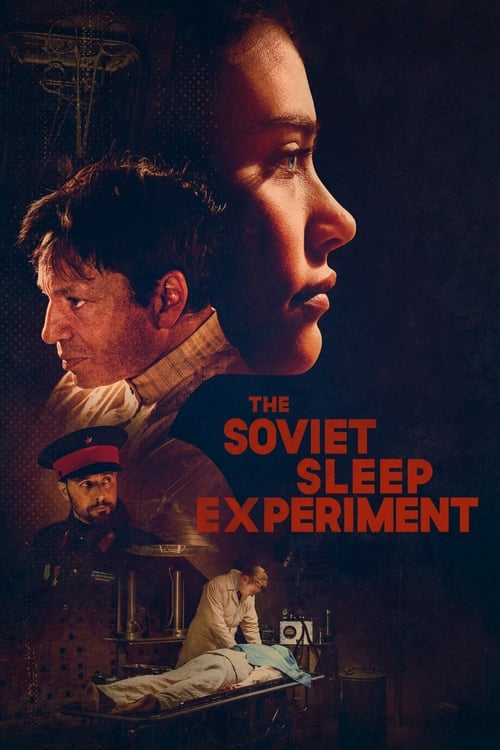
Representation Score
Limited
2019
Director
Barry Andersson
Runtime
79 minutes
Average Rating
No ratings yetNew Showbiz Analysis
The film primarily serves as a genre-driven horror piece centered on a specific historical and psychological premise. Its narrative structure emphasizes the isolation and degradation of its subjects over diverse character development or characters who reflect more than one aspect of diversity. While the setting provides a critique of institutionalized cruelty and state oppression, the characters themselves remain largely homogeneous. The focus stays on the physiological breakdown of the subjects rather than exploring varied identities or social perspectives. Ultimately, the film uses physical and mental trauma as tools for horror. This approach lacks the nuance required to represent disability or diverse cultural identities meaningfully.
Category Breakdown
The film does not include any LGBTQ+ characters or stories about non-assuming gender matches what was assigned at birth identities. The plot revolves around the effects of a drug on a group of participants.
The story focuses on researchers and subjects in a mid-century Soviet setting. It likely upholds traditional 1940s gender roles without showcasing women in intellectual leadership roles.
Set in late 1940s Soviet Union, the cast may reflect regional ethnic diversity. However, the film prioritizes a homogeneous group to maintain the isolation needed for the horror genre.
The film critiques systemic corruption and dehumanization found in extreme political structures. It explores the erosion of morality under late-Stalinist state oppression through the experiment.
The subjects undergo extreme physiological and mental degradation as plot devices. These induced crises serve the horror narrative without offering nuanced explorations of lived experience or neurodivergence.
Present on Screen
Limited or Absent
Official Synopsis
Russian researchers in the late 1940s keep five people awake for fifteen days using an experimental stimulant. Based on the popular internet horror story (Creepypasta) “The Russian Sleep Experiment”.
2015
2015

2013
2001
2022
2015
2018

2013
No reviews yet. Be the first to share your thoughts on this movie!
Use the rating form above to leave a star rating and optional review.