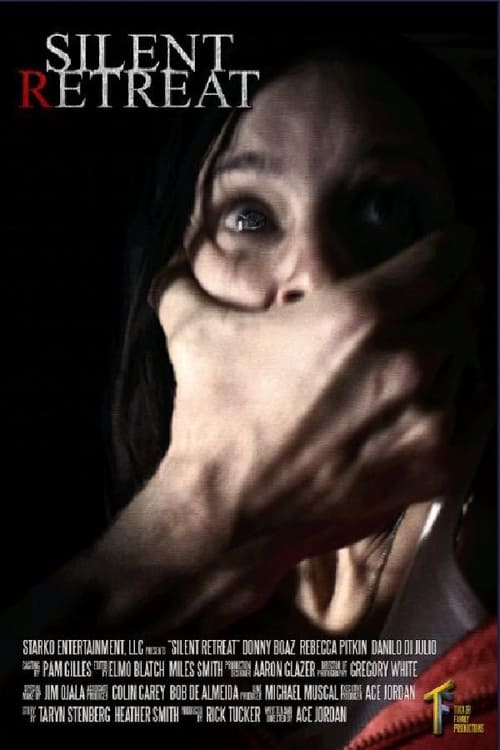
Silent Retreat
2016
No user ratings available yet
Diversity score: 3.4 out of 10
2018
TV-MADirector
Craig Deering
Runtime
79 minutes
Average Rating
No ratings yetSynopsis
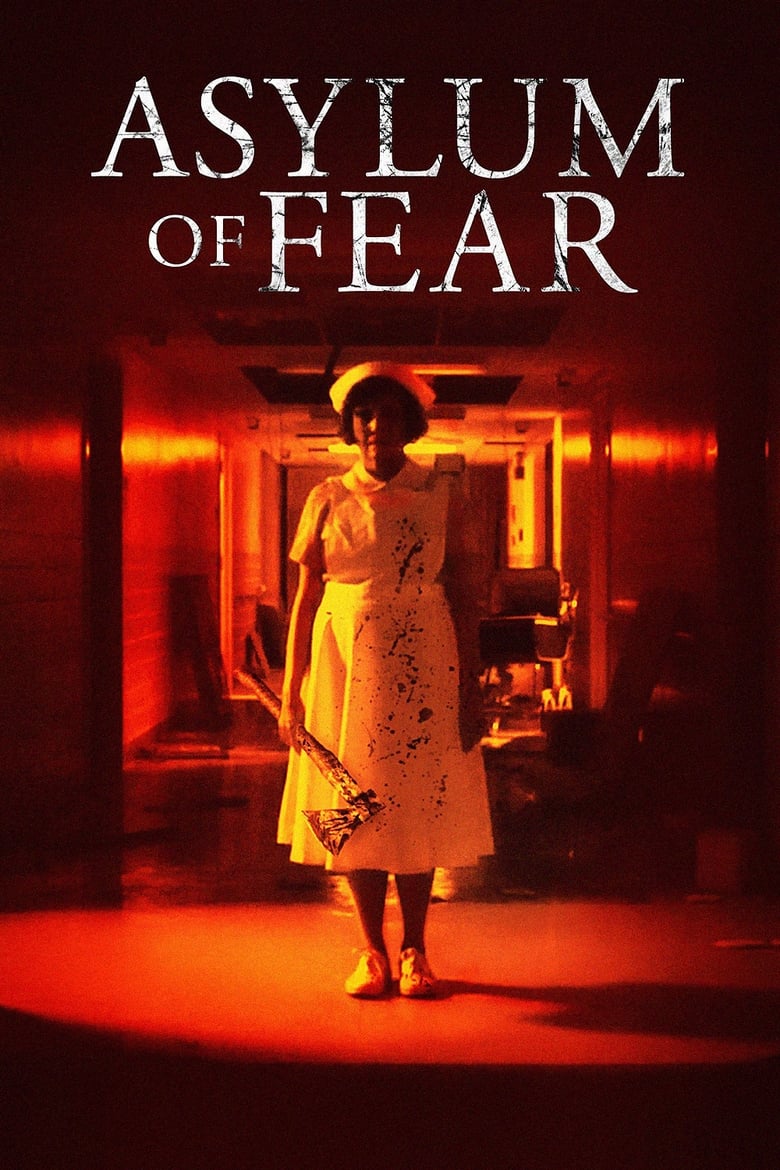
A team of paranormal investigators go on one last job to a haunted mental institution where children have reportedly gone missing. While searching for evidence of what is haunting the abandoned building, they stumble upon clues that reveal what made the former head doctor snap and go on a killing spree through the halls decades earlier. Unfortunately, the more they uncover, the more they struggle to make it out of the asylum alive because something inside wants that mystery to stay dead and buried.
Overall Score
Limited
Category Breakdown
LGBTQ+ Representation
The film lacks any visible representation of non-cisnormative identities or same-sex intimacy. The narrative focuses strictly on a professional investigative team and historical medical trauma.
Gender Representation
While the story features a team of investigators, the specific gender distribution is not defined. There is no evidence of women in leadership roles or the subversion of masculine power dynamics.
Racial & Ethnic Diversity
The plot provides no information regarding the racial or ethnic makeup of the investigators or historical figures. No non-white characters are mentioned as driving the narrative forward.
Religious & Cultural Diversity
The setting offers a critique of Western psychiatric institutions and historical medical authority. It explores the systemic failures of mental health care through the lens of a former asylum.
Disability Representation
The asylum setting inherently touches on neurodivergence and mental health history. However, these themes appear to serve as horror plot devices rather than providing agency to characters with disabilities.
Strengths
Areas for Improvement
AI Analysis
Asylum of Fear operates as a conventional horror mystery that relies heavily on established genre tropes. The narrative centers on a team of investigators uncovering historical medical trauma within a haunted institution, prioritizing atmosphere and survival over social exploration. While the setting allows for a latent critique of institutionalized care and the breakdown of medical authority, the film lacks intentionality regarding intersectional representation. The focus remains on the mystery of a doctor's violent descent rather than the identities of the characters. Ultimately, the film functions as a standard genre piece. It utilizes themes of mental health and confinement to build tension but does not actively subvert social hierarchies or engage with progressive identity politics.
No reviews yet. Be the first to share your thoughts on this movie!
Use the rating form above to leave a star rating and optional review.