
Sister
2026
No user ratings available yet
Diversity score: 5.8 out of 10
2003
Director
Takashi Miike
Runtime
107 minutes
Average Rating
No ratings yetSynopsis
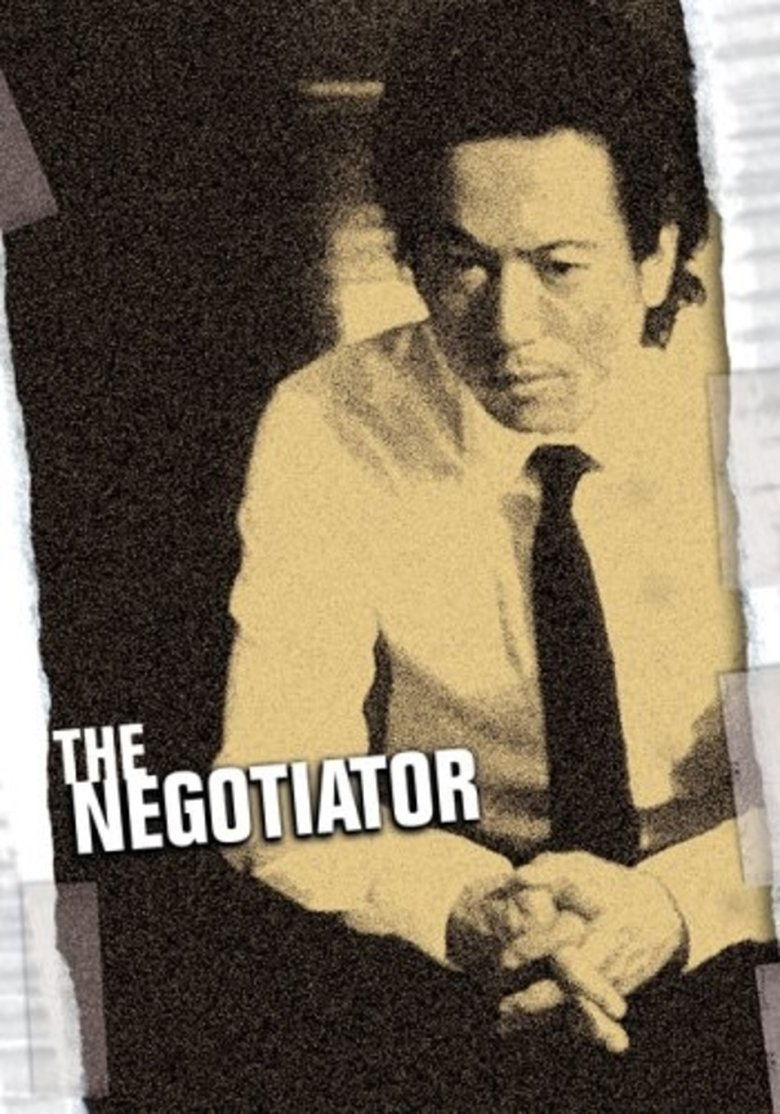
After a convenience store robbery, three unidentified men hold a group of people hostage in a hospital. Inspector Ishida and Captain Tohno handle the negotiations while one of their colleagues, Lt. Ando, tries to find out why the men decided to take the hospital hostage. Through flashbacks, relevant information is revealed to the audience. When the negotiations are finished, most things seem to be fine until they lose track of the criminals. Then, the story unveils from a different perspective, its roots in feelings of love and vengeance.
Overall Score
Fair
Category Breakdown
LGBTQ+ Representation
The narrative focuses on a high-stakes hostage crisis and the psychological motivations of the perpetrators. There is no explicit evidence regarding the presence of LGBTQ+ characters or the exploration of non-heteronormative identities.
Gender Representation
The story centers on Inspector Ishida, Captain Tohno, and Lt. Ando. While the gender of these officers is not explicitly detailed, the focus remains on professional negotiation and investigation within a procedural framework.
Racial & Ethnic Diversity
Directed by Takashi Miike and set in Japan, the film provides a non-Western perspective on crime. It disrupts Western-centric storytelling dominance by operating outside the Anglo-Saxon cinematic hegemony.
Religious & Cultural Diversity
The use of flashbacks to reveal roots in love and vengeance suggests a move toward moral relativism. This approach challenges the binary of hero versus villain through subjective, situational morality.
Disability Representation
The hospital setting provides a backdrop of medical vulnerability, but there is no evidence of disability being explored with agency. It appears to be a mere environmental detail rather than a central theme.
Strengths
Areas for Improvement
AI Analysis
The film operates primarily as a crime thriller centered on a hostage crisis and the psychological drivers of vengeance. While it avoids Western-centric storytelling norms by virtue of its Japanese production and Miike's direction, the narrative lacks explicit focus on identity-based themes. Representation of marginalized groups like the LGBTQ+ community or characters with disabilities is absent from the core plot. The story prioritizes professional negotiation and the deconstruction of justice systems over social diversity. Ultimately, the film's strength lies in its moral complexity and non-Western perspective, though it remains a standard procedural in terms of its character demographics.
2026

2011
1997

2003
2007
2002

2021
2003
1989
2003

1958

1998
No reviews yet. Be the first to share your thoughts on this movie!
Use the rating form above to leave a star rating and optional review.