
Gimme Shelter
1986
No user ratings available yet
Representation score: 5.6 out of 10
Representation Score
Fair
1966
Director
Masao Adachi
Runtime
75 minutes
Average Rating
No ratings yetNew Showbiz Analysis
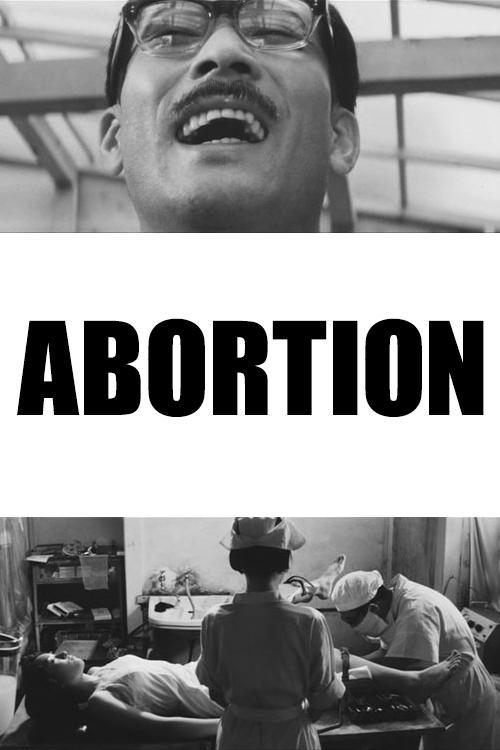
Abortion (1966) is a thought-provoking film that challenges fundamental aspects of human social organization. By focusing on a protagonist who seeks to technologically alter intimate human experiences, the film critiques biological hierarchies and traditional patriarchal structures. The film's narrative structure disrupts conventional expectations of the family unit and reproductive norms. However, the lack of specific demographic data limits a comprehensive assessment of its social representation.
Category Breakdown
The film challenges traditional assumptions about sex and reproduction by separating these concepts. This separation creates a new space that disrupts conventional gender roles and expectations.
By proposing artificial wombs, the film questions traditional gender roles and maternal responsibilities. This approach aims to redefine the power dynamics associated with gender and reproduction.
A definitive score cannot be assigned due to a lack of specific casting data. The available information does not detail the ethnic composition of the ensemble.
The film challenges traditional views on the sanctity of life by emphasizing scientific advancements over religious or social norms. It prioritizes scientific progress over established institutions.
There is insufficient evidence to evaluate the portrayal of physical or neurodivergent identities. No information regarding disability representation is available.
Present on Screen
Limited or Absent
Official Synopsis
A gynecologist attempts to rid the world of sexual problems by separating sex on the one hand and reproduction, which he feels should be left to artificial wombs.
1986
1968
1991

1969

1979

1967
2012

1987
No reviews yet. Be the first to share your thoughts on this movie!
Use the rating form above to leave a star rating and optional review.