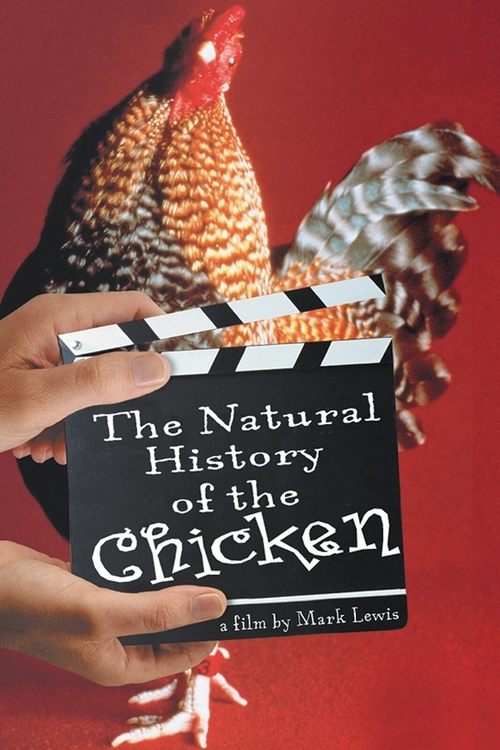
The Natural History of the Chicken
2000
No user ratings available yet
Diversity score: 3.2 out of 10
1988
PGDirector
Mark Lewis
Runtime
47 minutes
Average Rating
No ratings yetSynopsis
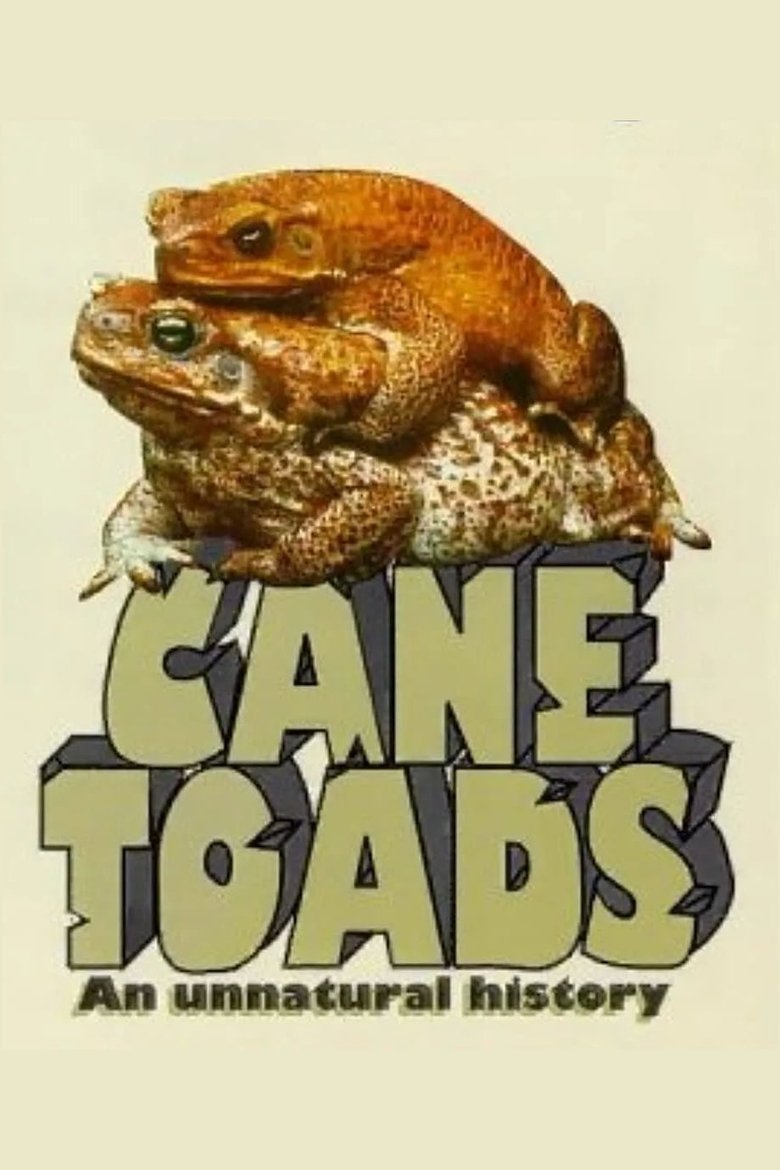
A documentary detailing the spread of Hawaiian sugar-cane toads through Australia in a botched effort to introduce them as counter pests.
Overall Score
Minimal
Category Breakdown
LGBTQ+ Representation
The documentary focuses exclusively on ecological processes and biological invasions. There are no LGBTQ+ characters or narratives addressing non-cisnormative identities.
Gender Representation
The narrative centers on biological phenomena and environmental impact. While featuring interviews with scientists, the film does not engage with gender hierarchies or roles.
Racial & Ethnic Diversity
The cast consists of researchers and local inhabitants within the Australian landscape. It lacks a diverse, intentional cast of color and narrative depth.
Religious & Cultural Diversity
The film serves as an ecological cautionary tale regarding human intervention. It offers a subtle critique of human mastery over nature through systemic failure.
Disability Representation
There is no discernible focus on physical, neurodivergent, or mental health representation within the documentary's scope.
Strengths
Areas for Improvement
AI Analysis
Cane Toads: An Unnatural History is a specialized scientific documentary focused on an environmental crisis. Because the subject matter is strictly biological and ecological, it operates outside the parameters of social identity politics. The film lacks a human-centric cast or character-driven narrative, which results in a lack of intersectional representation. The low score reflects the narrow, non-social focus of the work rather than an active promotion of social hierarchies. Ultimately, the documentary prioritizes the documentation of an invasive species over social commentary or diverse human perspectives.
2000
2012

2018

2017
1996
1956
2019
1964
1953
1959
2011

1997
No reviews yet. Be the first to share your thoughts on this movie!
Use the rating form above to leave a star rating and optional review.