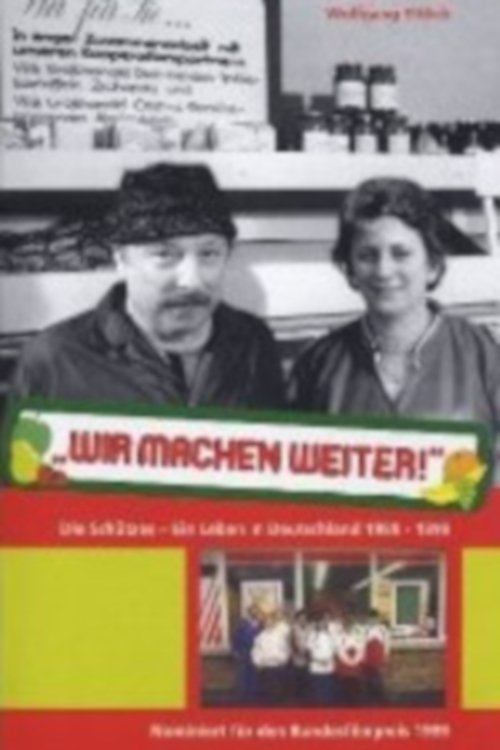
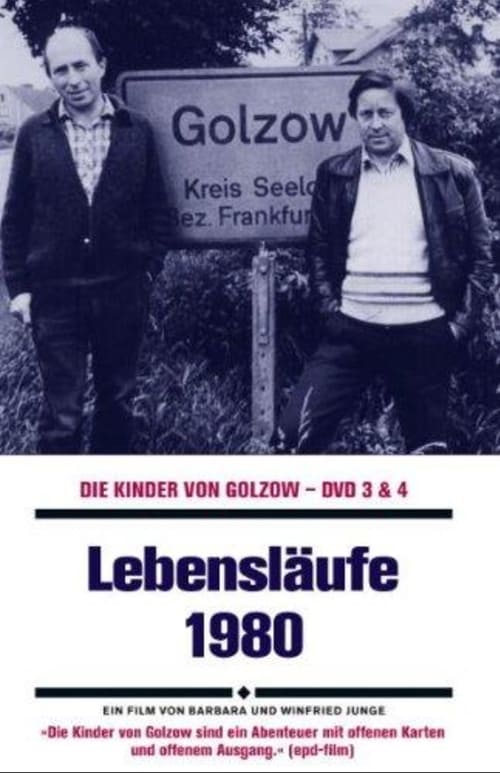
We'll be Keeping On
1999
No user ratings available yet
Representation score: 2.5 out of 10
Representation Score
Good
1981
Director
Winfried Junge
Runtime
257 minutes
Average Rating
No ratings yetNew Showbiz Analysis
Winfried Junge’s documentary functions as a longitudinal sociological study of a socialist community. It successfully presents a cultural worldview that challenges capitalist individualism and Western-style meritocracy by focusing on collective life cycles. However, the film is constrained by its historical and geographic specificity. The demographic homogeneity of the GDR results in a lack of racial, ethnic, and LGBTQ+ diversity, reflecting the era's social realities rather than modern standards. Ultimately, the work is a study of systemic integration. While it lacks modern identity markers, it offers a unique cultural perspective on social utility and shared historical progression.
Category Breakdown
The film follows the socio-demographic norms of the GDR era and does not show any non-straight or non-cisgender identities or same-sex relationships.
Women are shown as active, working participants in the socio-economic structure of Golzow. This portrayal avoids submissive stereotypes by highlighting their involvement in public life.
The cast reflects the homogeneous demographic reality of a specific East German town in 1981. The film lacks significant racial or ethnic diversity due to its historical setting.
The narrative emphasizes collective development and secularist priorities over religious morality. It presents a systemic alternative to capitalist individualism by focusing on a state-planned society.
The documentary captures unvarnished lives without using disability as a plot device. However, there is no specific evidence of neurodivergent or disabled individuals taking a leading role.
Present on Screen
Limited or Absent
Official Synopsis
A sequence of nine individual biographical sketches with a prologue and epilogue on Golzow and the long-term observation. Deepening of the preceding chronicle. The Golzow people in the present, from which retrospective views of the previous life and the life conflicts of the individual are given.
1999
2010

1997
2010
1966
2009
1994
1991
No reviews yet. Be the first to share your thoughts on this movie!
Use the rating form above to leave a star rating and optional review.