Passing Days
1969
No user ratings available yet
Representation score: 1.9 out of 10
Representation Score
Fair
1970
Director
Milan Blažeković
Runtime
10 minutes
Average Rating
No ratings yetNew Showbiz Analysis
The film serves as a strong allegory for the tension between personal expression and systemic hostility. By centering a character whose fundamental nature triggers social rejection, the story mirrors the experiences of underrepresented groups. While specific demographic markers are not clearly defined, the themes of resilience and non-conformity offer a framework for understanding the 'other' within a restrictive society. Ultimately, the work functions more as a thematic exploration of social intolerance than a direct representation of specific identities, using music as a metaphor for authentic existence.
Category Breakdown
The protagonist faces continuous social punishment for his inherent nature, reflecting the struggles faced by many in the LGBTQ community. His experiences highlight the repeated harsh reactions from a rigid society.
The film focuses on a single male protagonist who refuses to conform to the standard behavioral scripts expected by his community. This defiance challenges traditional gender roles and expectations.
There is insufficient information regarding the racial composition of the cast or the ethnic setting to provide a meaningful score.
The story portrays the community as an oppressive force enforcing uniformity. It emphasizes the importance of individual authenticity over the rigid social norms that prioritize conformity.
The protagonist's singing can be seen as a neurodivergent trait. The film presents this as an inherent part of his identity rather than a condition needing a cure.
Present on Screen
Limited or Absent
Official Synopsis
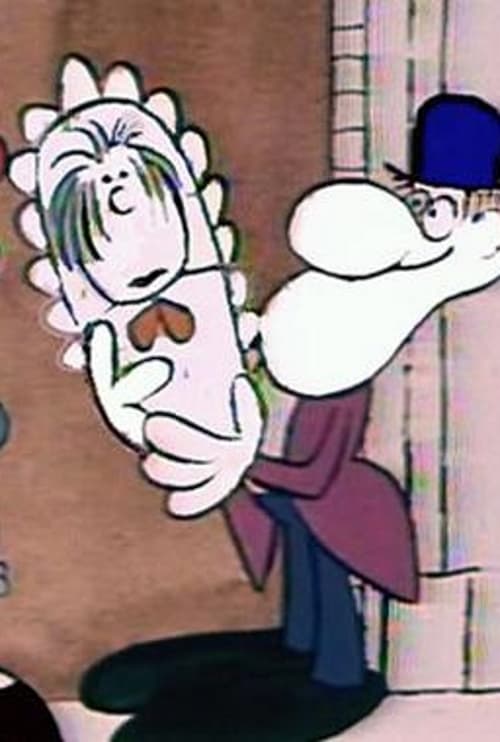
Still in the delivery room, he started singing his song. And on he went his entire life. The song is not ugly, the voice is not unpleasant, but everything is constantly the same. He is trying to blend in, but it always ends in disapproval, kicking out, beating, harsh reaction. Nevertheless, he didn’t give up.
1969

1965
1965
1997
1973
1968
1965
1959
No reviews yet. Be the first to share your thoughts on this movie!
Use the rating form above to leave a star rating and optional review.